


Menu
Home
Development

Mobile App Development

Web Development

Stack Development

Blockchain

Industries

AI Development

Games

Our Company

Comfygen |

10 June 2026

Advantages of Food Delivery Apps for Customers and Restaurants

Advantages of Food Delivery Apps for Customers and Restaurants

The global online food delivery market hit $1.40 trillion in revenue in 2025 and is projected to reach $2.02 trillion by 2030. That is not a niche trend. It is a fundamental shift in how people order food and how restaurants generate income.

Whether you are a customer who orders twice a week or a restaurant owner thinking about going digital, the advantages of food delivery apps are hard to ignore. This article covers both sides, with real data to back it up.

Advantages of Food Delivery Apps for Customers

1. Order From Anywhere, at Any Time

The most obvious advantage is also the most impactful. You can order from home, office, a hotel room, or anywhere else with an internet connection. No commute, no waiting, no parking.

The National Restaurant Association reported that 37% of adults in the US order food delivery at least once a week in 2025. That frequency shows this is routine behavior, not occasional use.

Apps like Swiggy and Zomato cover 600+ cities in India and run 24 hours a day. DoorDash in the US operates round the clock, with late-night orders between 10 pm and 2 am growing year over year. For shift workers, students, or anyone with a non-standard schedule, that availability matters.

2. Access to More Restaurants Than You Can Physically Reach

A decade ago, your food options were limited to restaurants within driving distance. Today, a single food delivery app in a mid-sized city can list 300 to 1,000 restaurants covering 20+ cuisine types.

You can filter by diet — vegan, keto, halal, Jain, gluten-free — and sort by rating, delivery time, or price. A study of a delivery platform in Ontario, Canada, found users could access food from 472 restaurants within a 9 km radius. That kind of variety is impossible through physical proximity alone.

75% of Gen Z users customize their food orders, according to Dig Insights research. The platforms are built specifically for that behavior, with modifier options, allergy alerts, and special instruction fields at every step.

3. Real-Time Order Tracking Removes the Guesswork

One of the biggest complaints about early food delivery was uncertainty. You had no idea if your food had been picked up, where the driver was, or when to expect the knock at the door.

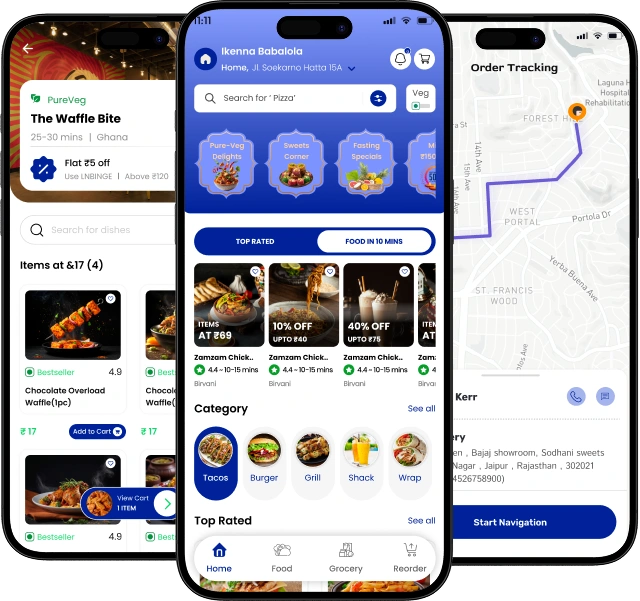
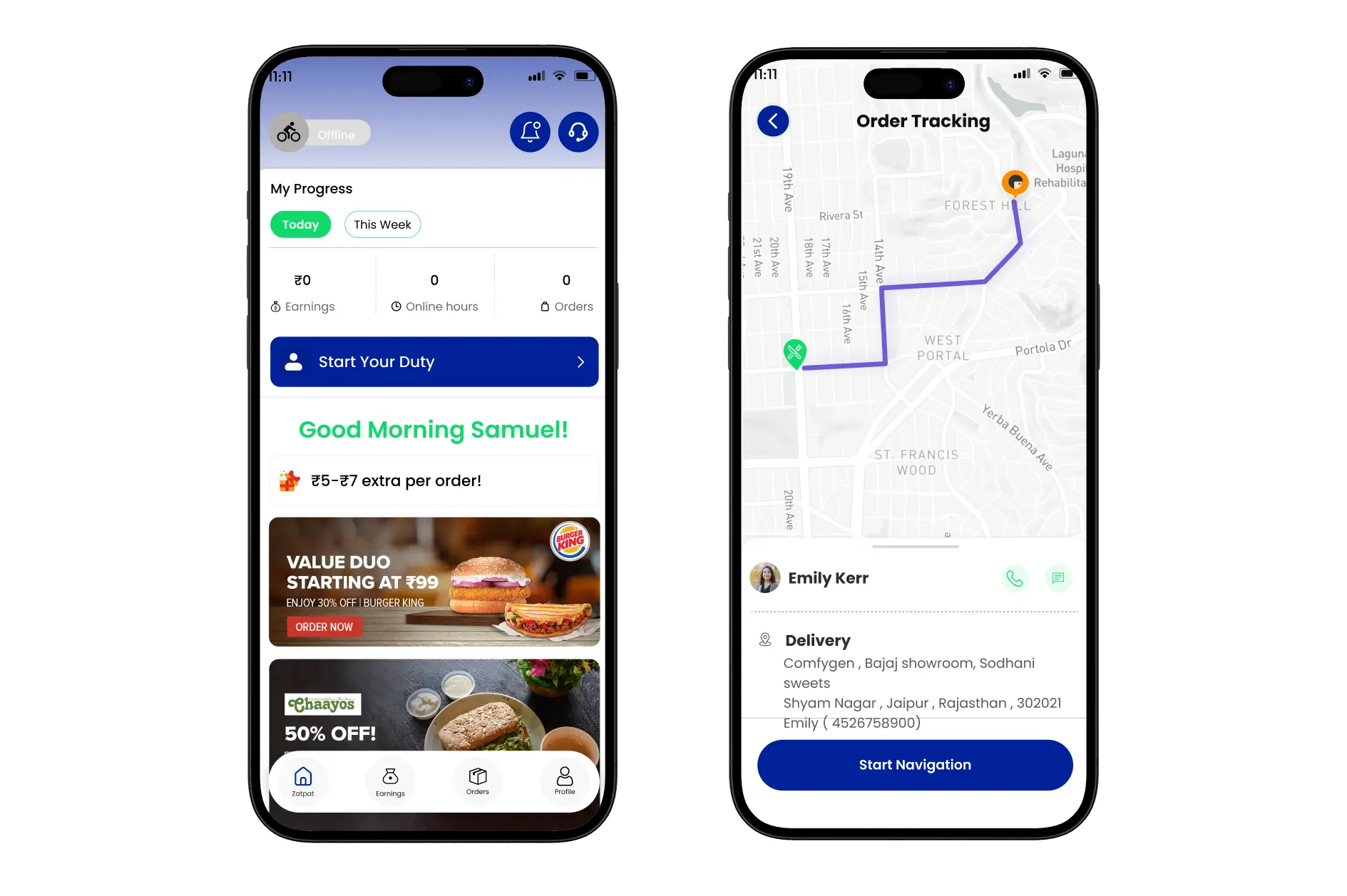
GPS-based live tracking solved that entirely. You can watch your order move from the restaurant to your door in real time. Push notifications tell you when the restaurant confirms, when the driver picks up, and when they are nearby. For a customer managing their schedule, that precision is genuinely useful.

4. More Payment Options, Loyalty Rewards, and Discounts

The average American spends $1,850 per year on food delivery, according to Statista. Platforms compete hard for that spend through discounts, subscriptions, and cashback.

Subscription programs like Zomato Gold, Swiggy One, and DoorDash DashPass reduce or eliminate delivery fees for members. First-order discounts, referral bonuses, and festival promotions are standard across every major app. Loyalty points that accumulate across orders have become a retention tool that keeps frequent users on a single platform.

On payment, every major app supports credit cards, debit cards, mobile wallets, UPI, and cash on delivery. In markets like India where not every customer has a card, cash on delivery removes a significant barrier to ordering.

5. Transparent Reviews and Ratings Before You Order

Walking into a restaurant you have never visited is a guessing game. Ordering through an app is not. Every restaurant listing shows aggregate star ratings, individual reviews with photos, and in many cases images of the actual dishes you are considering.

Customers can read 200+ reviews before placing their first order from a new restaurant. Apps like Swiggy and Zomato verify that reviews come from real orders, which adds credibility. That transparency gives customers confidence to try restaurants they would never have discovered otherwise.

Build the Next Leading Food Delivery Platform

Empower customers with seamless ordering, real-time tracking, and secure payments while maximizing your restaurant’s profitability. Our expert developers deliver end-to-end food delivery app solutions.

Start Your Food Delivery App Project Today!

Advantages of Food Delivery Apps for Restaurants

1. Reach Customers Beyond Your Physical Location

A restaurant with 40 seats can physically serve around 80 to 120 customers per day across lunch and dinner. On a delivery platform, the same kitchen can process 80 to 150 orders in a single evening without adding front-of-house staff or expanding the space.

  1. 60% of restaurant operators report higher sales after joining a delivery platform, according to Market.us research. The driver is straightforward: the app puts your restaurant in front of users who are actively searching and ready to order right now, at zero cost-per-impression.
  2. Online ordering is growing nearly 3x faster than in-store dining. Restaurants without a digital presence are already losing that growth to competitors who are on these platforms. One industry estimate puts the gap at 34% of potential customers who order exclusively through apps and bypass the walk-in entirely.

2. Customer Data That Improves Revenue Over Time

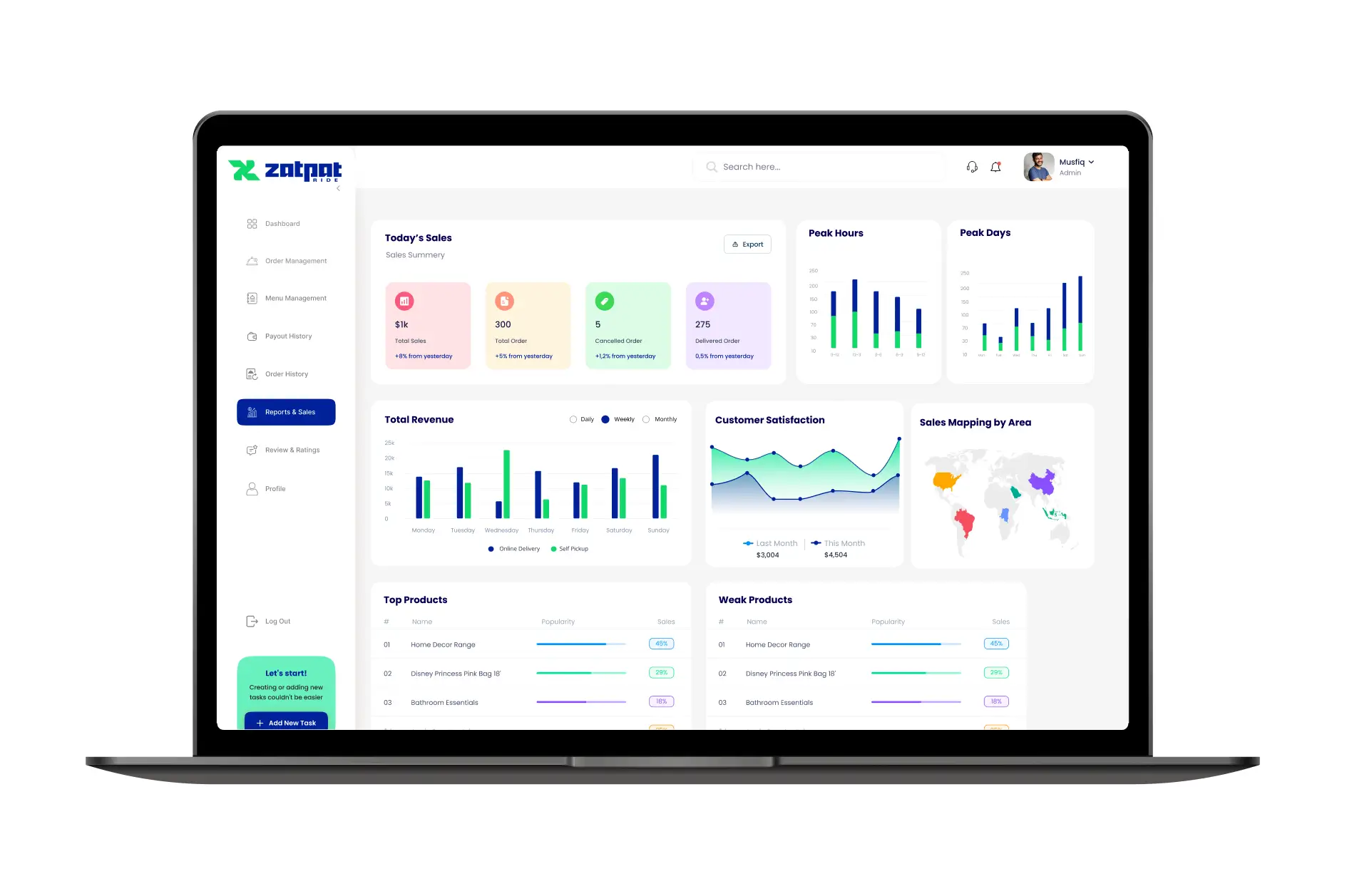
Physical dining gives you limited data: table turnover, reservation count, and average spend. Delivery platforms give you a much deeper dataset: which dishes sell on which days, what time of day drives peak orders, which items get removed from carts before checkout, and which promotions actually convert.

  1. Restaurants that act on this data report 15 to 20% increases in average order value, according to research cited by Statista. That comes directly from decisions like removing low-performing dishes, promoting high-margin items during peak hours, and pricing bundles based on what customers actually order together.
  2. Cloud kitchens take this further. They operate with no dine-in space and build their entire menu around delivery data. Morgan Stanley Research estimated ghost kitchens would account for 25% of food delivery sector revenue by 2025, precisely because this data-first model is so efficient.

3. Lower Customer Acquisition Cost Compared to Traditional Marketing

Running a Google Ads campaign or printing flyers has a cost per customer acquired that is hard to measure. Listing on Swiggy, Zomato, or Uber Eats puts your restaurant in front of users who are already in buying mode, with no upfront advertising spend.

Commission fees exist, but they replace marketing budgets that restaurants would otherwise spend with less accountability. For a new restaurant without an established customer base, delivery platforms provide immediate discovery that would take months to build through organic marketing alone.

66% of consumers use food ordering apps every month. That is an enormous active audience that a restaurant can tap into on day one of going live on a platform.

4. Delivery Apps Open New Revenue Models

Joining a delivery platform does not just mean listing your existing menu. It opens the door to several revenue models that were not viable before.

Ghost kitchens and cloud kitchen brands let a single kitchen run multiple delivery-only menus targeting different customer segments simultaneously. A kitchen that serves Thai food under one brand can run a separate burger brand or a healthy meal-prep brand through the same space, each with its own listing on the delivery platform.

Restaurants can also run time-limited delivery specials, lunch-only offers, or bulk meal deals that would be impractical to manage in a physical dining format. The platform handles the ordering, payments, and customer communication. For more on how to approach the technical side of this, see our food delivery app ideas guide.

5. Improved Order Accuracy and Kitchen Efficiency

Orders placed through an app go directly to the kitchen display system with no phone call transcription errors or miscommunication between front-of-house and back-of-house. Every modification, allergy note, and special instruction is written exactly as the customer entered it.

Integrating digital ordering with existing POS systems cuts order processing time by up to 60% and reduces errors by 25%, according to Upserve data. For a high-volume kitchen running 100+ delivery orders per night, that accuracy difference directly reduces refund rates and complaint volume.

The role of AI in food delivery has extended this further. Predictive demand systems can tell a kitchen how many orders of a particular dish to prepare before the rush starts, reducing food waste and wait times simultaneously. Read more about how this works in our breakdown of AI in food delivery app development.

Should You Build Your Own Food Delivery App?

The advantages of food delivery apps are clear on both sides. Customers get convenience, variety, and transparency. Restaurants get wider reach, better data, and a revenue channel that runs parallel to their physical space.

If you want to go further and own that channel directly, building your own food delivery app gives you full control over margins, customer data, and brand experience. You stop paying commission on every order to Zomato or Swiggy and start building a customer base that belongs to you.

The global market is projected to hit $2.02 trillion by 2030, according to Statista. Restaurants and startups entering now still have room to capture meaningful market share before saturation sets in.
A working product needs real-time order tracking, payment gateway integration, driver dispatch logic, and separate apps for customers, delivery partners, and restaurant admins. Our guide on how to create a food delivery app covers every stage of the build. If cost is your first question, the food delivery app development cost breakdown gives you realistic numbers before you commit.

At Comfygen, we have built custom food delivery solutions for clients across India, the US, the UK, and 30+ other countries since 2019. From pizza delivery apps to full multi-restaurant marketplaces and quick commerce platforms, our team handles the full build: UI/UX, backend, APIs, and post-launch support.

Frequently Asked Questions

What are the main advantages of food delivery apps for customers?

The key benefits include ordering from anywhere at any time, access to hundreds of restaurants in one place, real-time order tracking, multiple payment options, and transparent customer reviews before ordering.

How do food delivery apps benefit restaurants?

Restaurants gain a wider customer reach beyond their physical location, access to order data that improves revenue decisions, lower customer acquisition costs compared to traditional marketing, and tools to run new models like ghost kitchens and delivery-only menus.

Do food delivery apps increase restaurant revenue?

Yes. 60% of restaurant operators report higher sales after joining a delivery platform, according to Market.us data. Restaurants using order data for menu optimization also report 15 to 20% increases in average check size.

What technology makes food delivery apps work better in 2026?

AI-driven recommendation engines, real-time GPS tracking, POS system integrations, automated dispatch, and predictive demand forecasting are now standard features across major platforms. These reduce errors, improve delivery times, and increase repeat order rates.


Request a Callback

We respond promptly — typically within 30 minutes


Saddam Husen

Mr. Saddam Husen, (CTO)

Mr. Saddam Husen, CTO at Comfygen, is a renowned Blockchain expert and IT consultant with extensive experience in blockchain development, crypto wallets, DeFi, ICOs, and smart contracts. Passionate about digital transformation, he helps businesses harness blockchain technology’s potential, driving innovation and enhancing IT infrastructure for global success.

Based on Interest