




The car rental industry is becoming increasingly digital, with customers expecting to search for vehicles, compare prices, check availability, and complete bookings from their phones. This shift is creating opportunities for rental businesses to move beyond phone calls, walk-ins, and third-party marketplaces by offering a direct digital booking experience.
Whether you operate an existing rental fleet or are launching a new platform, a custom rental car booking app can give you greater control over bookings, pricing, customer relationships, and fleet operations.That shift has created a real opportunity for businesses that want to build their own rental car booking app. Whether you run an existing rental agency or are launching a new platform from scratch, a custom app gives you direct access to customers, full control over pricing, and a scalable revenue model that does not depend on third-party aggregators taking 20-25% of every booking.
Rental car app development is the process of designing and building a mobile or web-based platform where users can search vehicles, check availability, compare prices, book, pay, and manage their rental, all in one place. The platform typically includes three panels: a user app, a vendor or fleet management panel, and an admin dashboard.
This guide covers every part of the process: why the investment makes sense, which business model fits your goals, the exact development steps, what features you need, what it costs, and what challenges to prepare for.
If you are also exploring related mobility platforms, our taxi app development service and AI taxi app development cover overlapping technology and business model decisions worth reading alongside this guide.
Why Businesses Invest in Rental Car Booking Apps
Businesses that rely on phone bookings, walk-ins, or third-party listing sites are giving away margin and customer data on every transaction. A custom rental car app changes both of those things.
- Direct revenue without third-party commission cuts:- Platforms like Rentalcars.com charge rental agencies 15-25% per booking. With your own app, you keep that margin. For a business doing $500,000 in annual bookings, that is $75,000 to $125,000 in commission saved every year.
- 24/7 bookings without staff overhead:- A well-built rental car booking app processes bookings automatically at any hour. No phone calls, no manual confirmation emails, no counter staff required for the booking step. Automation reduces administrative costs and eliminates the errors that come with manual processes.
- Real customer data you actually own:- Every booking on your platform gives you data: who your customers are, when they book, what vehicles they prefer, how far in advance they plan. That data drives smarter pricing, better marketing, and higher repeat booking rates. When you list on an aggregator, they own that data. You get none of it.
- Scalability without proportional cost increases:- A physical rental desk can handle a fixed number of customers per hour. A car rental app handles 10,000 simultaneous users on the same infrastructure. When demand spikes during holidays or peak travel season, your app scales without you hiring temporary staff.
- Multiple revenue streams from one platform:- Beyond booking revenue, a rental car app opens up insurance upsells, GPS add-ons, fuel packages, loyalty programs, and premium listing fees if you run a marketplace model. Businesses that build their own platforms consistently report higher revenue per booking than those relying on third-party channels.
- Competitive edge in a digitizing market:- The rental car industry is moving fast toward digital-first operations. Businesses that build their own platforms now will be significantly harder to displace three years from now when their competitors finally catch up.
Types of Rental Car Business Models
Before writing a single feature requirement, you need to decide which business model you are building. This choice determines your feature set, legal obligations, go-to-market strategy, and path to profitability.
- Fleet-Based Rental (B2C) You own or manage the vehicles. Users book directly from your fleet through the app. This is the traditional model that companies like Hertz, Enterprise, and Avis run. You have full control over vehicle quality, pricing, and availability. The trade-off is upfront capital: buying or leasing a fleet is expensive, and you carry the cost of idle vehicles. This model works best for businesses that already operate a physical fleet and want to digitize their booking process, or for investors who want full operational control over the rental experience.
- Peer-to-Peer (P2P) Marketplace: Individual car owners list their personal vehicles on your platform. Renters book through you, and you take a commission on each transaction, typically 15-25%. Turo and Getaround run this model. You do not need to own a single vehicle to launch. The challenge is building supply (car owners) and demand (renters) simultaneously, which requires a clear strategy for each side of the marketplace from day one. P2P is the fastest-growing segment in car rental. The peer-to-peer car sharing market is projected to grow from $2.77 billion in 2025 to $7.44 billion by 2030 at a CAGR of 21.85%.
- Aggregator Marketplace: You pull inventory from multiple rental agencies through API integrations and display it on your platform. Users compare options from multiple providers and book through you. Rentalcars.com runs this model. Revenue comes from commissions paid by the rental companies that list your inventory. This model requires working API partnerships with rental providers before you have anything to show users.
- Subscription-Based Rental: Users pay a fixed monthly or annual fee for access to a pool of vehicles without per-trip charges. The automotive subscription market is projected to reach $12 billion globally by 2028, up from $4 billion in 2023. Corporate clients are the primary target for this model. Apps need subscription management, vehicle swap workflows, and automated billing logic built in from the start.
- Hybrid Model: Many platforms launching in 2026 combine fleet-based and P2P approaches. You manage a core-owned fleet for reliability while also allowing third-party car owners to list vehicles. This gives you supply flexibility without the full capital burden of an owned fleet. It is the fastest way to scale inventory without proportional capital expenditure.
Step-by-Step Process to Build a Rental Car Booking App
1. Define Business Goals
The first step in any rental car app development project is not designing screens or listing features. It defines exactly what you are building and why.
Document your answers to these questions before engaging any development team:
- Which business model are you running: fleet-based, P2P, aggregator, or hybrid?
- Who is your primary target user: tourists, corporate travellers, locals, or all three?
- What geography are you launching in first: one city, one country, or global?
- What does success look like at 6 months, 12 months, and 24 months?
- What is your budget for development and your runway for the first year post-launch?
These answers shape every technical and design decision that follows. Changing major requirements after development has started can significantly increase development time and cost, so defining the scope early helps reduce unnecessary rework.
2. Conduct Market Research
Study your target market before writing a feature list. Look at what existing rental apps do well and where users complain. The App Store reviews for Turo, Getaround, and major rental company apps are a direct feed of what real users find frustrating. Those frustrations are your product roadmap.
Identify your competitors in your specific market. A city-level rental platform in Dubai faces different competition than one launching in Bengaluru or São Paulo. Understand local pricing expectations, preferred payment methods, regulatory requirements, and the vehicle types most in demand.
Validate demand before you build. A simple landing page with a “Get Early Access” form and $200 in Google Ads against your target keywords tells you more about real demand than any amount of internal planning.
3. Choose Key Features
Features should be chosen based on your business model and validated user needs, not based on what sounds impressive in a pitch deck. Define your MVP features separately from your version 2 and version 3 features. Build only what is needed to get real users on the platform and generate first bookings.
A common mistake in car rental app development is building 40 features that take 12 months to complete and launch into a market that needed 15 features in 6 months. Get to market faster with a focused MVP and let real user behaviour tell you what to build next.
The essential features section below covers exactly what belongs in your MVP versus what can wait.
4. Design UI/UX
Booking abandonment can be high when users encounter surprise fees, complicated checkout steps, or unclear insurance and add-on options.
Your design must solve these problems before users encounter them. The booking flow should take under 3 minutes from search to confirmation on mobile. Pricing must be fully transparent before the user reaches the payment screen. Insurance options must be explained clearly, not buried in fine print.
Start with wireframes that map the complete user journey: search, select, verify identity, choose extras, pay, and confirm. Get stakeholder sign-off on the wireframes before moving to high-fidelity design. Changes at the wireframe stage cost almost nothing. Changes during development are expensive. Because many customers research and book rentals from their phones, the experience should be designed mobile-first.
5. Select the Technology Stack
| Layer | Recommended Technology |
| Front-end (Web) | React.js / Vue.js |
| Back-end | Node.js / Laravel |
| Mobile | Flutter / React Native |
| Database | PostgreSQL / MySQL |
| Maps & Location | Google Maps API |
| Payments | Stripe / PayPal / Razorpay |
| Real-time updates | Socket.io / Firebase |
| Cloud hosting | AWS / Google Cloud |
| Notifications | Firebase Cloud Messaging |
Flutter or React Native for mobile means one codebase covers both iOS and Android, cutting development time by 30-40% versus building two native apps. Node.js handles real-time data well, which matters for a booking platform where availability must update instantly. Stripe covers most global payment scenarios and integrates cleanly with React Native backends.
Choose your stack based on long-term maintenance capability as much as initial build speed. The team that builds your app should ideally be the team that maintains it for the first 12-18 months.
6. Develop the App
Development runs in parallel tracks: front-end, back-end, and mobile. A project manager coordinates between tracks and ensures integrations are tested as they are built, not only at the end.
The most complex components to build correctly are:
- Booking engine with real-time availability: When two users search for the same vehicle simultaneously, the system must hold the vehicle during checkout to prevent double bookings. This logic must be correct from day one. Double bookings can quickly damage user trust and create costly operational problems.
- Payment processing with proper error handling: Stripe or PayPal integration must handle declined cards, partial payments, refund flows, and payment confirmation emails without manual intervention. Test every failure scenario, not just the happy path.
- Driver verification flow: License upload, OCR-based extraction, and verification must be fast enough that users do not abandon the process. Build this with a clear progress indicator so users know what to expect.
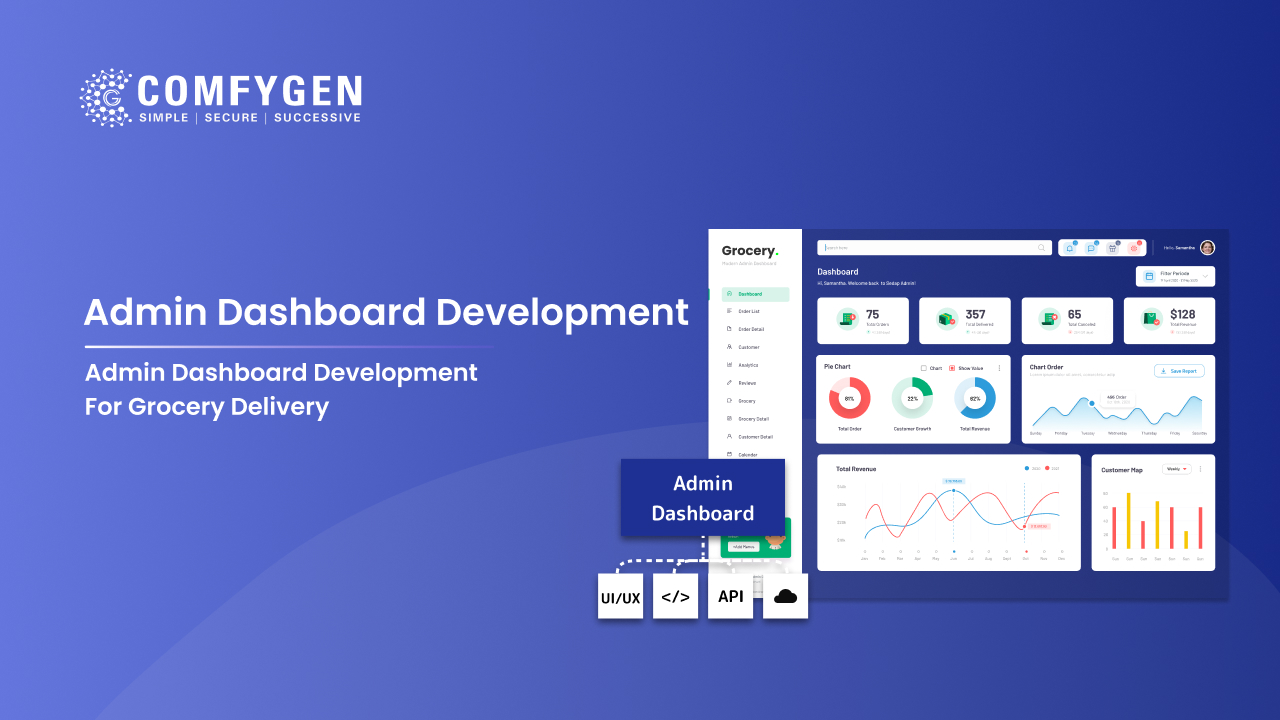
- Admin dashboard: The control panel your team uses every day for managing bookings, resolving disputes, configuring commissions, and reviewing analytics. Underbuild this and your operations become a manual nightmare as volume grows.
7. Integrate Payment and GPS
Payment and GPS are not just features. They are the operational backbone of the entire platform.
- Payment integration must cover the full transaction lifecycle: booking payment, security deposit hold and release, partial refunds for early returns, full refunds for cancellations, and payout processing for vendors in a marketplace model. Use Stripe for most markets. Add Razorpay for India or Southeast Asia, and PayPal as a secondary option globally.
- GPS integration using Google Maps API powers pickup location selection, vehicle location display for fleet tracking, turn-by-turn directions to pickup points, and geofencing alerts if vehicles leave permitted areas. For fleet-based models, GPS tracking also supports maintenance scheduling based on actual mileage rather than fixed time intervals.
Both integrations require thorough testing across multiple devices and network conditions before launch. A broken payment flow or inaccurate GPS direction on day one drives negative reviews that take months to overcome.
8. Test and Launch
Testing covers four critical areas:
- Functional testing: Every feature works as designed across all user flows, including edge cases: expired license upload, payment failure at checkout, simultaneous booking attempts for the same vehicle, cancellation during an active rental.
- Performance testing: The app handles peak traffic without slowing down. Plan load tests based on your expected peak demand scenario.
- Security testing: User personal data, payment information, and driver’s license uploads require proper encryption and access controls. Run a security audit before launch, not after a breach.
- Cross-device testing: iOS and Android across multiple screen sizes, OS versions, and network conditions, including slow connections.
For App Store submission, Apple’s review takes 1-3 days. Google Play typically approves within hours. Both require a privacy policy URL, terms of service, and a support email address in the listing before they will approve.
Essential Features of a Rental Car App
User Panel Features
- Registration and driver’s license verification: Users upload their license during signup. OCR extracts the details automatically. Manual review is triggered only when OCR confidence is below the threshold.
- Vehicle search: Filter by pickup location, date range, vehicle type, price range, transmission, and fuel type.
- Real-time availability: Vehicle status updates instantly. No vehicle appears as available after it has been booked.
- Price comparison: Side-by-side display of vehicles with full price breakdown, including taxes and fees shown before the payment screen.
- Secure booking and payment: Cards, digital wallets, and popular local payment methods, depending on your target market.
- Booking management: Modify dates, cancel within policy, and view active and past bookings.
- Pickup instructions and GPS directions: Sent automatically before rental date with map link.
- In-app support: Chat or callback option for booking issues.
- Ratings and reviews: Post-rental review prompt for both vehicle and vendor.
Vendor / Fleet Owner Panel Features
- Vehicle listing management: Add vehicles with photos, specs, pricing, and availability calendar.
- Booking request management: Accept, reject, or modify incoming bookings.
- Earnings dashboard: Revenue tracking, payout history, and upcoming payouts.
- Vehicle condition reporting: Pre and post-rental inspection records with photo uploads.
Admin Panel Features
- User and vendor management: Account verification, suspension, and support escalation.
- Commission configuration: Set commission rates by vendor, vehicle category, or booking value.
- Booking oversight: View all active and historical bookings, and intervene in disputes.
- Platform analytics: Booking volume, revenue, top-performing vehicles, user acquisition sources, and churn indicators.
- Push notification management: Send targeted notifications for promotions, reminders, and alerts.
Advanced Features for Version 2
- AI-based dynamic pricing that adjusts rates by demand, season, and location
- Keyless car access via smartphone using Bluetooth or NFC
- Loyalty and rewards program for repeat users
- Multi-currency and multi-language support
- EV fleet support with charging station maps and real-time battery status
- Subscription plan management for corporate clients
For a deeper look at how AI features are integrated into on-demand mobility platforms post-launch, our EV taxi booking app development guide covers the same phased feature approach.
Challenges and Solutions in Car Rental App Development
| Challenge | Solution |
| Cold-Start Problem | Launch with a verified fleet, partner with local rental agencies, and onboard vehicle owners before going live. |
| Double Bookings | Implement real-time availability tracking and temporary vehicle holds during checkout. |
| Driver Verification Friction | Use OCR-based license scanning and simplify the verification process to reduce user drop-offs. |
| Vehicle Condition Disputes | Enable photo-based inspections with timestamps and GPS verification during pickup and return. |
| Payment Security & Fraud | Integrate PCI DSS-compliant payment gateways and fraud detection systems to secure transactions. |
| Regulatory Compliance | Ensure compliance with local transportation laws, insurance regulations, and data privacy standards such as GDPR. |
Future Trends in Rental Car App Development
The future of rental car app development is being shaped by emerging technologies and changing customer expectations. Key trends include:
- Electric Vehicle (EV) Integration: Apps will support EV-specific features such as battery status tracking, charging station locations, and range monitoring.
- AI-Powered Dynamic Pricing: Real-time pricing adjustments based on demand, location, seasonality, and market trends will help maximize revenue.
- Keyless Vehicle Access: IoT-enabled smartphone access using Bluetooth or NFC will allow users to unlock and start vehicles without physical keys.
- Subscription-Based Rentals: Monthly and long-term vehicle subscription plans will become increasingly popular among businesses and frequent travelers.
- Autonomous Vehicle Readiness: Future-ready platforms will be designed to support self-driving vehicle management as autonomous technology advances.
- AI-Based Vehicle Inspection: Computer vision technology will automate damage detection and vehicle condition assessments, reducing disputes and operational costs.
Why Choose Comfygen for Rental Car App Development?
Comfygen is a trusted mobile app development company with 100+ developers, serving 400+ clients across 30+ countries. We build custom rental car apps tailored to your business needs, not generic scripts or templates.
From strategy and UI/UX design to development, testing, deployment, and post-launch support, our team manages the entire project lifecycle. With proven experience in on-demand and marketplace platforms, we develop scalable solutions featuring real-time booking, fleet management, secure payments, and vendor management.
Whether you’re launching a startup or expanding an existing rental business, Comfygen delivers reliable, scalable, and feature-rich rental car booking applications that drive growth.
You can also explore our on-demand app development services and profitable on-demand app ideas for more context on how we approach mobility platform development.
Conclusion
Rental car app development presents a growing opportunity for businesses looking to offer more convenient, digital-first booking experiences. The global market is growing at 8.59% annually, digital bookings account for over 70% of industry revenue, and regional markets remain genuinely underserved by existing platforms.
The businesses that succeed are not the ones that build the most features. They are the ones that define a clear business model, validate demand before spending on development, build a focused MVP that solves the core booking problem well, and launch fast enough to learn from real users.
The core technology behind rental car booking platforms is well established, but successful development still depends on choosing the right scope, architecture, integrations, and launch strategy. The next step is a scoping conversation with a development team that has built this type of platform before. That conversation takes an hour, costs nothing, and gives you a realistic budget and timeline before you commit a dollar to build.
FAQ
How much does it cost to build a rental car booking app?
How long does it take to develop a rental car booking app?
What are the essential features of a rental car booking app?
Should I build a custom rental car app or use a ready-made solution?
How can a rental car booking app generate revenue?

Mr. Saddam Husen, (CTO)
Mr. Saddam Husen, CTO at Comfygen, is a renowned Blockchain expert and IT consultant with extensive experience in blockchain development, crypto wallets, DeFi, ICOs, and smart contracts. Passionate about digital transformation, he helps businesses harness blockchain technology’s potential, driving innovation and enhancing IT infrastructure for global success.