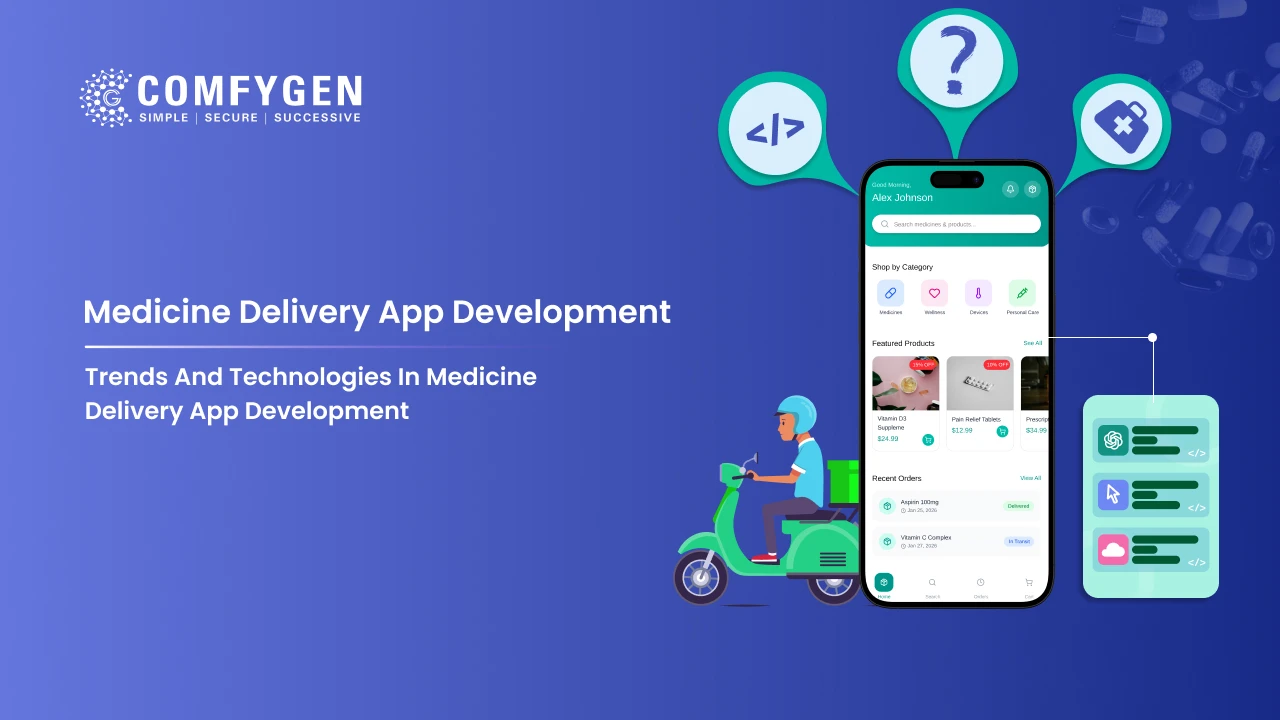





Medicine delivery has moved fast in the last three years. Customers who order groceries in ten minutes now expect something close to that from the shop filling their prescriptions. Pharmacies that can keep up are winning repeat business. Those that cannot are losing it.
Here are the eight trends actually changing how medicine reaches people, and what each one means if you run a pharmacy.
The Market Behind The Trends
The online medicine market is growing from $123.91 billion in 2026 to $436.29 billion by 2033, at 19.7% CAGR. Mobile apps make up 66.2% of that spending.
Growth at that rate does not come from new customers discovering the category. It comes from existing customers switching to whoever serves them better. That is what makes these trends worth paying attention to.
1. Quick commerce and 10-minute medicine delivery
The biggest shift is speed. Ten-minute and fifteen-minute delivery moved from groceries into medicine, first in dense cities and now spreading.
How it works: small local stock points, sometimes called dark stores, hold the fastest-moving items close to customers. Orders route to the nearest one automatically. There is no browsing, no shelf, no counter.
What it needs: live stock accuracy at every location, automatic order routing, and a delivery fleet already nearby.
What it means for you: you do not need ten-minute delivery to compete, but you do need honest delivery estimates. A promise of two hours that is kept beats a promise of ten minutes that is missed.
2. AI for prescriptions and stock
AI in medicine delivery is useful in three specific places, and mostly a distraction everywhere else.
Reading prescriptions. OCR software reads the uploaded prescription and pulls out drug names on its own. A pharmacist still checks anything unclear. This cuts approval from minutes to seconds.
(OCR means optical character recognition. It is software that reads text from a photo.)
Suggesting substitutes. When an item is out of stock, the app suggests an equivalent instead of cancelling the order. This is the single biggest cause of lost orders in pharmacy apps, and it is fixable.
Predicting demand. The app looks at past orders and season to predict what will sell next month. That cuts both empty shelves and expired stock.
What it costs: AI recommendations add $3,000 to $7,000 to a build. OCR prescription reading adds $1,500 to $4,000.
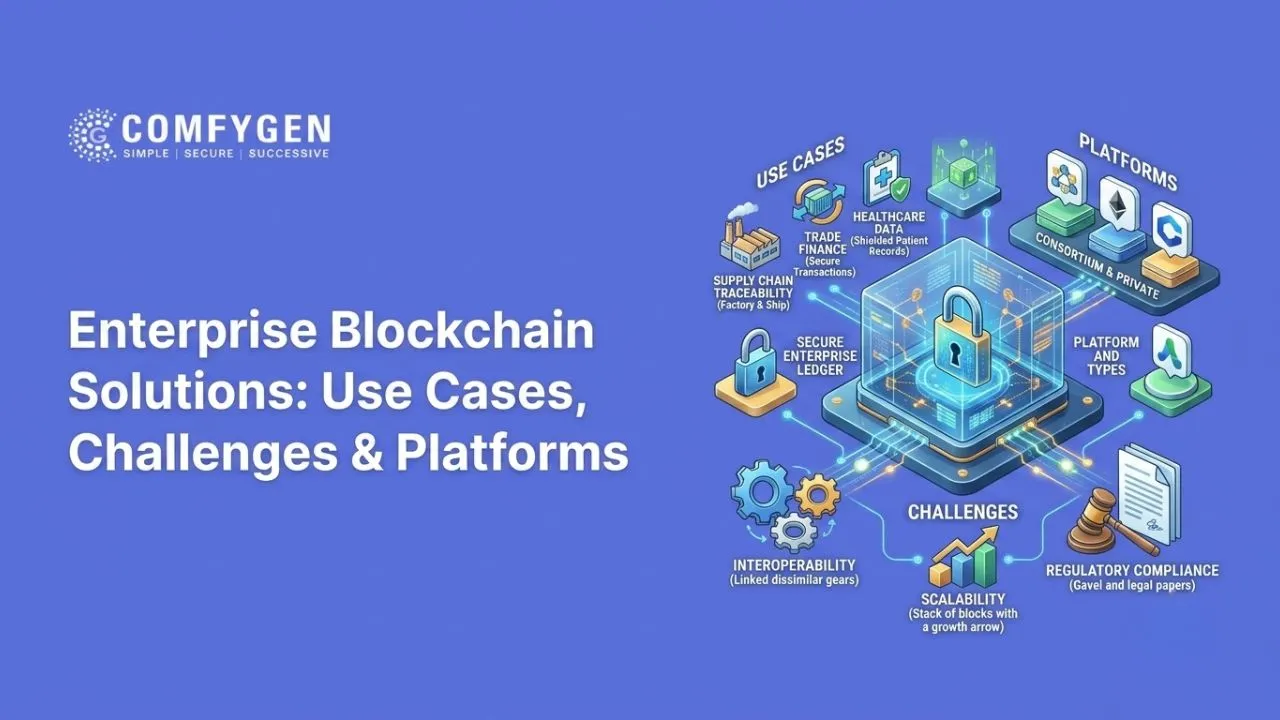
3. Blockchain for prescription records
Blockchain creates a record that cannot be edited after the fact. For prescriptions, that means a clear trail of who wrote it, who dispensed it, and when.
Where it helps: controlled substances, where prescription fraud and duplicate filling are real problems, and drug supply chains where counterfeit medicine enters at some point between factory and shelf.
Where it does not: ordinary retail pharmacy. Most stores do not have a problem blockchain solves.
Reality check: adoption is still early. Adding it costs $8,000 to $18,000. Do it if you handle controlled substances or work in a market with counterfeit issues. Otherwise wait.
4. Telehealth built into the ordering flow
Customers increasingly expect to get a prescription and fill it in the same app. A short video consultation produces a digital prescription that flows straight into the cart.
What it changes: you stop depending on customers who already have a prescription. The app can create demand instead of only serving it.
What it needs: licensed doctors, video infrastructure, and prescription rules that differ by country and sometimes by state.
Cost: $4,000 to $9,000 to add a working telemedicine module.
5. Subscriptions for long-term medication
People taking medicine for diabetes, blood pressure, or thyroid conditions buy the same thing every month. Subscription delivery turns that into automatic recurring revenue.
Why it matters: chronic medication is the most predictable income a pharmacy has, and most stores still handle it manually. The business that reminds the customer first keeps the customer.
What it needs: refill scheduling tied to prescription duration, pause and skip options, and clear cancellation. Making cancellation difficult loses more customers than it keeps.
6. Connected devices and medication adherence
Smartwatches, glucose monitors, and smart pill dispensers are starting to connect to pharmacy apps.
What becomes possible: a glucose monitor that notices supplies running low and reorders test strips. A pill dispenser that flags a missed dose. A watch that reminds someone at the right time based on their actual routine rather than a fixed alarm.
Where it stands: integration is still patchy and privacy rules are strict. Worth planning your data model for, not worth building yet unless you serve a specific chronic-care market.
7. Voice ordering and accessibility
A large share of medicine buyers are over 55. Many find app interfaces harder to use than the people designing them assume.
What is changing: voice search for medicine names, larger text options, simpler checkout with fewer steps, and family accounts where an adult child manages an elderly parent’s orders.
Why it matters commercially: this group buys the most medicine and is the most loyal once they trust a service. Designing for them is not a charity feature, it is where the revenue is.
8. Drone and autonomous delivery
Drone delivery for medicine is running in pilots, mostly for rural and hard-to-reach areas where road delivery takes hours.
Where it works today: remote clinics, island communities, and emergency supply runs.
Where it does not: dense cities, where regulation, airspace, and building access make it slower than a scooter.
Reality check: interesting, not urgent. Watch it, do not budget for it.
What these trends mean for a pharmacy planning an app
Not every trend is worth acting on. Here is the honest split.
Build now:
- Accurate live stock and automatic substitute suggestions
- Refill subscriptions for chronic medication
- Honest, tracked delivery estimates
- Simple checkout that works for older customers
Build in year two:
- OCR prescription reading, once you have enough order volume to justify it
- AI recommendations, which need order history to be useful
- Telehealth, if your market allows it
Watch only:
- Blockchain, unless you handle controlled substances
- Drone delivery
- Connected device integration
The pattern is simple: Fix the things customers notice every single order first. Add the clever features once the basics never fail.
What it costs to build with these features
What you pay depends on how many of these you actually build. Medicine delivery app development cost runs from $5,000 for a white-label launch to $60,000 for an AI-enabled platform, and the short version looks like this:
|
Build type |
Cost |
Timeline |
|
Basic app |
$8,000 – $15,000 |
8–12 weeks |
|
Standard ePharmacy app |
$15,000 – $30,000 |
12–20 weeks |
|
Advanced platform with AI and multi-vendor |
$30,000 – $60,000 |
20–32 weeks |
|
White-label launch |
$5,000 – $12,000 |
4–8 weeks |
Closing
Trends are only useful when they change what a customer experiences. Faster delivery, fewer cancelled orders, and refills that arrive without being asked for are what people notice. Blockchain and drones are not, at least not yet.
Any medicine delivery app development plan built around next year’s headlines rather than this year’s cancelled orders will spend the budget in the wrong place.
Frequently Asked Questions
What is the biggest trend in medicine delivery right now?
Speed. Ten and fifteen-minute delivery moved from groceries into medicine, driven by local stock points and automatic order routing. Customers now judge pharmacy apps against grocery delivery times.
Is AI worth adding to a medicine delivery app?
In three places, yes: reading prescriptions with OCR, suggesting substitutes when stock runs out, and predicting demand. It adds $3,000 to $7,000. AI recommendations need order history, so add them after launch rather than before.
How does 10-minute medicine delivery work?
Small local stock points hold fast-moving items close to customers. Orders route automatically to the nearest one with the item in stock, and a delivery agent already in the area collects and delivers it.
Is blockchain useful for prescriptions?
For controlled substances and counterfeit-prone supply chains, yes. It creates a record that cannot be edited later. For ordinary retail pharmacy it solves a problem most stores do not have. It costs $8,000 to $18,000 to add.
Will drones deliver medicine soon?
In rural and hard-to-reach areas, pilots are already running. In cities, regulation and airspace rules make drones slower than road delivery. Worth watching, not worth budgeting for.
What should a pharmacy build first?
Accurate live stock, automatic substitute suggestions, refill subscriptions, honest delivery estimates, and a checkout that works for customers over 55. Add AI and telehealth once those never fail.

Mr. Saddam Husen, (CTO)
Mr. Saddam Husen, CTO at Comfygen, is a renowned Blockchain expert and IT consultant with extensive experience in blockchain development, crypto wallets, DeFi, ICOs, and smart contracts. Passionate about digital transformation, he helps businesses harness blockchain technology’s potential, driving innovation and enhancing IT infrastructure for global success.