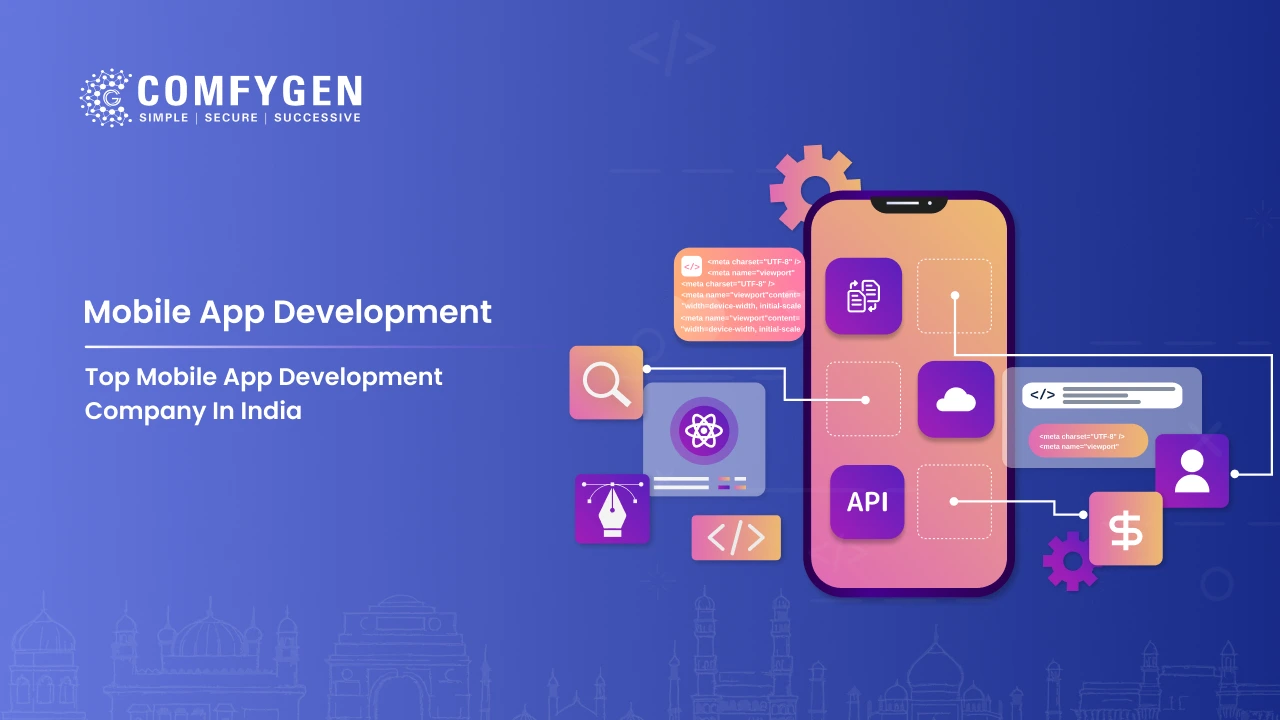





Quick answer: The top mobile app development companies in India for 2026 include Appinventiv, Comfygen, Successive Digital, Classic Informatics and OrangeMantra. Rates run from under $25 to $49 per hour, and a production app typically costs $30,000 to $60,000. Choose on domain fit and post-launch terms, not on hourly rate.
Most lists of Indian app development firms read the same way. Ten companies, ten paragraphs of praise, no numbers you can act on. This one is built differently. Every company below carries its founding year, team size, Clutch score, rate band and headquarters. Each profile also states who the firm is a poor fit for, because that is the part that saves you three wasted sales calls.
One more thing sets this guide apart. India now has an enforceable data protection law, and it changes what you should ask a vendor before signing anything. That section sits near the end, and no other list currently covers it.
Why India Still Leads App Development in 2026
The scale argument is not marketing. India recorded 25.5 billion app downloads in 2025, a rebound after falling to 24.6 billion in 2024, driven largely by generative AI apps and short-form drama platforms.
What changed recently is money. India’s mobile app market hit a record $345 million in in-app purchase revenue in Q2 2026, up 35% year on year, with downloads passing 6.6 billion. Non-gaming apps took 70% of downloads and nearly $240 million in revenue, growing more than 50% year on year. For a decade the standard line was that Indian users download everything and pay for nothing.
This matters when you hire. A firm building for the Indian market in 2026 has live experience with subscription paywalls, UPI-based recurring payments and regional-language onboarding. Five years ago most of them only had ad-monetisation experience. If your product depends on paid conversion, ask specifically about that shift.
The cost advantage is still real. A senior Indian engineer bills roughly what a junior US contractor bills. But treat that as a starting point, not the reason to hire. The firms worth working with are the ones where engineering quality justifies the rate on its own.
How This List Was Built
Six criteria, applied to every firm:
Verified review depth: Clutch score plus review volume, checked against Clutch’s India developer directory. A 4.9 from twelve reviews carries less weight than a 4.7 from 150.
Mobile-native capability: Whether the firm employs actual Swift and Kotlin engineers, or defaults to React Native on every brief regardless of fit.
Domain evidence: Shipped work in a named vertical. Fintech, healthcare, commerce, logistics. Not a wall of client logos.
Rate honesty: Whether the published rate band matches what clients report paying.
Post-launch structure: Defined support terms versus best-effort maintenance. This is where most offshore engagements quietly fail.
Continuity: Team stability and client retention across three or more years.
We did not rank purely by size. A 1,000-person firm is the wrong choice for a $30,000 MVP, and a 20-person boutique is the wrong choice for a multi-country rollout. The list runs strongest general-purpose options first, specialists after.
Comparison Table: Top 10 Mobile App Development Companies in India
| Company | Clutch | Rate | Best for | HQ |
| Appinventiv | 4.7/5 | $25–49/hr | Large multi-market programmes | Noida |
| Comfygen Technologies | 5/5 | $25–49/hr | App plus delivery app, blockchain and AI in one team | Jaipur / Global |
| Successive Digital | 4.9/5 | $25–49/hr | Enterprise transformation programmes | Noida |
| Classic Informatics | 4.9/5 | $25–49/hr | Long-horizon product engineering | Gurugram |
| OrangeMantra | 4.7/5 | <$25/hr | Enterprise work on a mid-market budget | Gurugram |
| Appsinvo | 4.9/5 | <$25/hr | Funded startup MVPs | Noida |
| Wama Technology | 4.9/5 | <$25/hr | Founders who want direct senior access | Mumbai |
| DevsTree | 4.8/5 | <$25/hr | Cost-efficient cross-platform builds | Ahmedabad |
| FATbit Technologies | 4.7/5 | $25–49/hr | Marketplace and white-label launches | Punjab |
| Mypcot Infotech | 4.7/5 | <$25/hr | SMEs with tight budgets | Mumbai |
The Overview of Top 10 Application Development Companies
1. Appinventiv
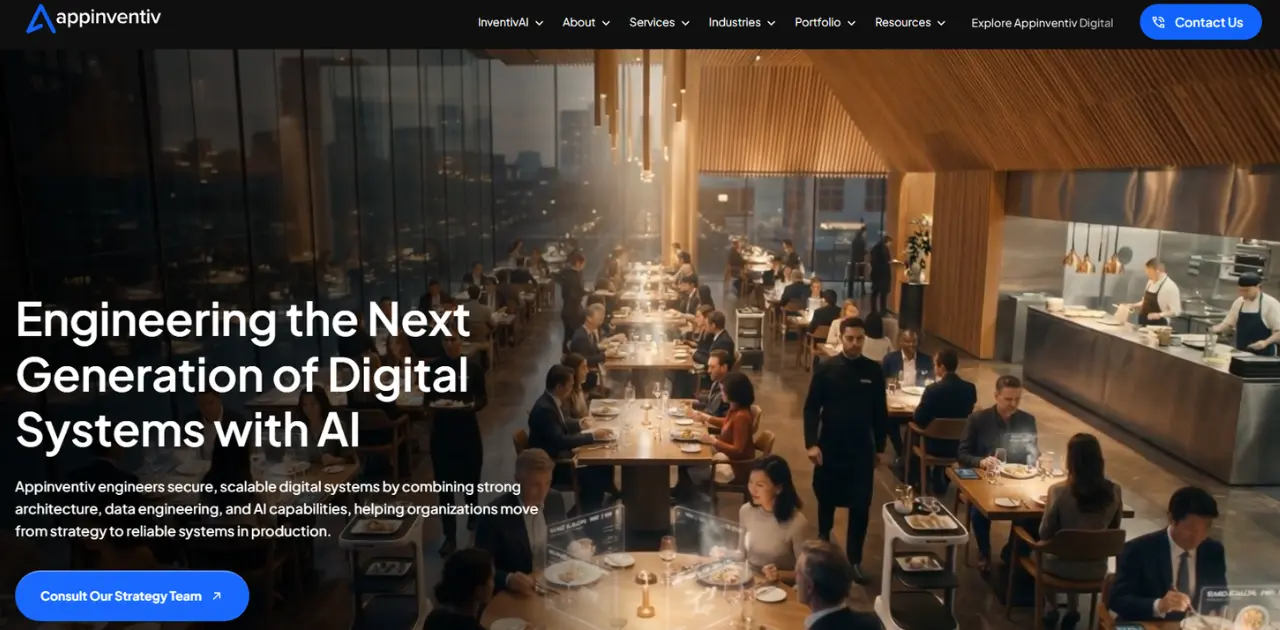
Appinventiv is the largest pure-play app development firm on this list. A 900-plus bench means they can staff parallel workstreams, which matters when you are shipping iOS, Android, a web console and a partner API at the same time. They have worked with Fortune 500 clients and government-scale deployments, and the delivery process reflects that: heavy documentation, formal QA gates, structured discovery.
That structure is also the trade-off. Onboarding takes longer, change requests move through process, and a small brief can get lost against larger accounts.
Core work: native iOS and Android, Flutter, React Native, enterprise mobility, cloud backend, AI feature integration.
Good fit: Funded scale-ups and enterprises running multi-platform programmes above roughly $80,000.
Poor fit: A founder validating an idea on $25,000. You will pay for process you do not need yet.
2. Comfygen Technologies
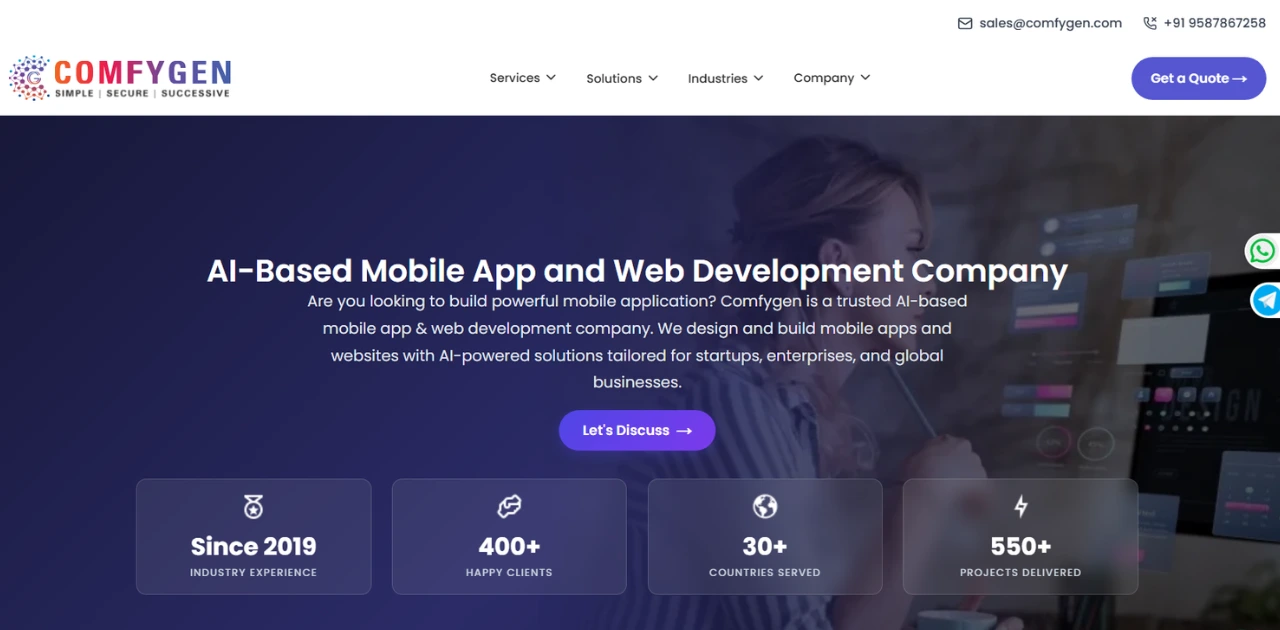
Founded: 2019 · Team: 50–249 · Clutch: 5/5 · Rate: $25–49/hr · HQ: Jaipur / Global
Comfygen holds the highest Clutch rating on this list at a clean 5/5. The reason it sits at number two rather than lower is a capability overlap almost nobody else here has. As a leading mobile app development company in India, the same organisation ships mobile app development, blockchain and Web3 systems and AI development work. If your product needs a wallet, a token layer, an on-chain settlement path or an AI recommendation engine inside the app, you are not stitching together three vendors and arguing about whose bug it is.
That matters more than it used to. A large share of 2026 briefs now include at least one of: an AI assistant, a payment rail beyond cards, or an identity layer. Most app shops subcontract those.
On the standard mobile side the stack is conventional and deep: Android, iOS, Flutter, React Native and hybrid builds. Vertical work spans healthcare, fintech, ecommerce, food delivery, on-demand mobility and education. Early-stage teams can start narrow through MVP-focused engagements, and companies that need capacity rather than a full project can hire dedicated app developers directly.
Founded in 2019, so the track record is shorter than the two-decade firms further down. What you get in exchange is a senior team still small enough that you speak to the people writing your code. The project portfolio and client feedback are worth reading before you shortlist.
Good fit: Products combining a mobile front end with blockchain, crypto payments, AI features or heavy backend logic. Also strong on regulated India-market builds.
Poor fit: A purely internal enterprise workflow app with no consumer layer. Larger process-driven firms suit that better.
3. Successive Digital
Founded: 2012 · Team: 1,000+ · Clutch: 4.9/5 · Rate: $25–49/hr · HQ: Noida
Successive Digital sells transformation programmes, not standalone apps. Cloud migration, commerce platforms, data pipelines and mobile all sit under one delivery organisation, with a US presence alongside the Noida base. For a mid-market company replacing several systems at once, that single-vendor model removes real integration friction.
Holding a 4.9 across a team that size is a genuine consistency signal. It is harder to sustain than it looks.
Good fit: Mid-market and enterprise buyers where the app is one piece of a wider platform rebuild.
Poor fit: A single focused mobile build. You will be a small account.
4. Classic Informatics
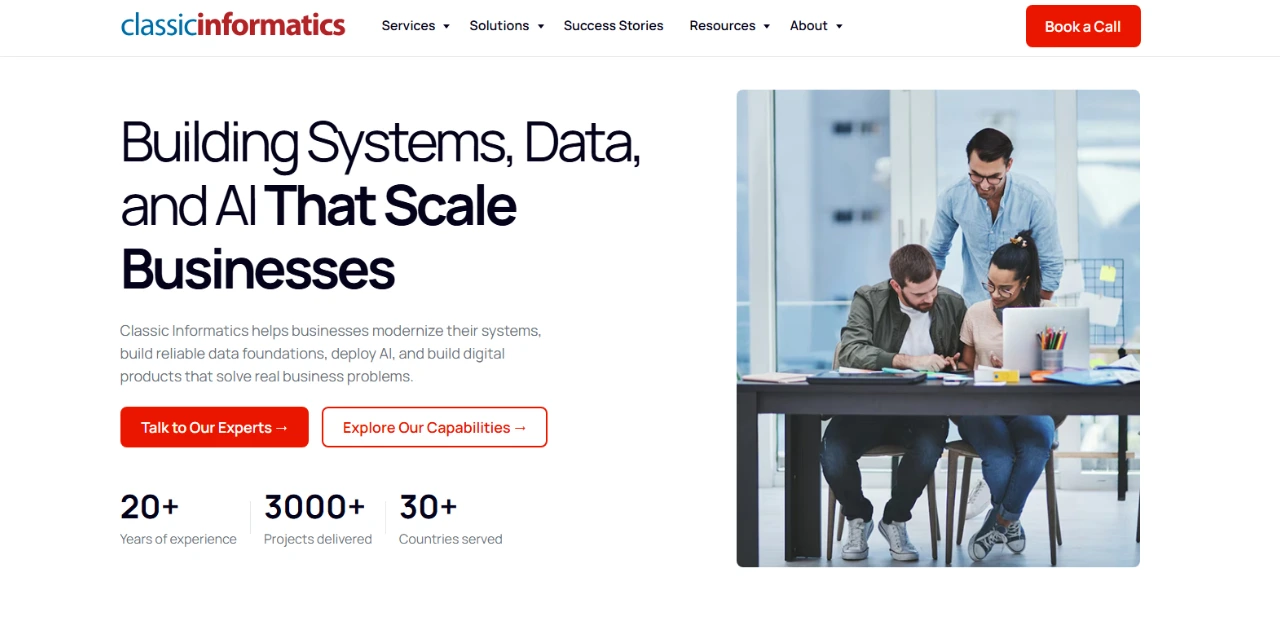
Founded: 2002 · Team: 50–249 · Clutch: 4.9/5 · Rate: $25–49/hr · HQ: Gurugram
Twenty-four years in business, clients across the USA, UK and Australia, and a stated 95% client retention rate. That retention figure is the interesting number. It points to a firm built around maintaining and evolving products rather than launching and moving on.
Their approach front-loads architecture. Data model, backend dependencies and growth assumptions get settled before sprint one, which cuts expensive rewrites later.
Good fit: Products expected to run and grow for five years or more, especially SaaS platforms with a mobile client.
Poor fit: Fast, cheap, disposable builds. The discovery phase alone will feel heavy.
5. OrangeMantra
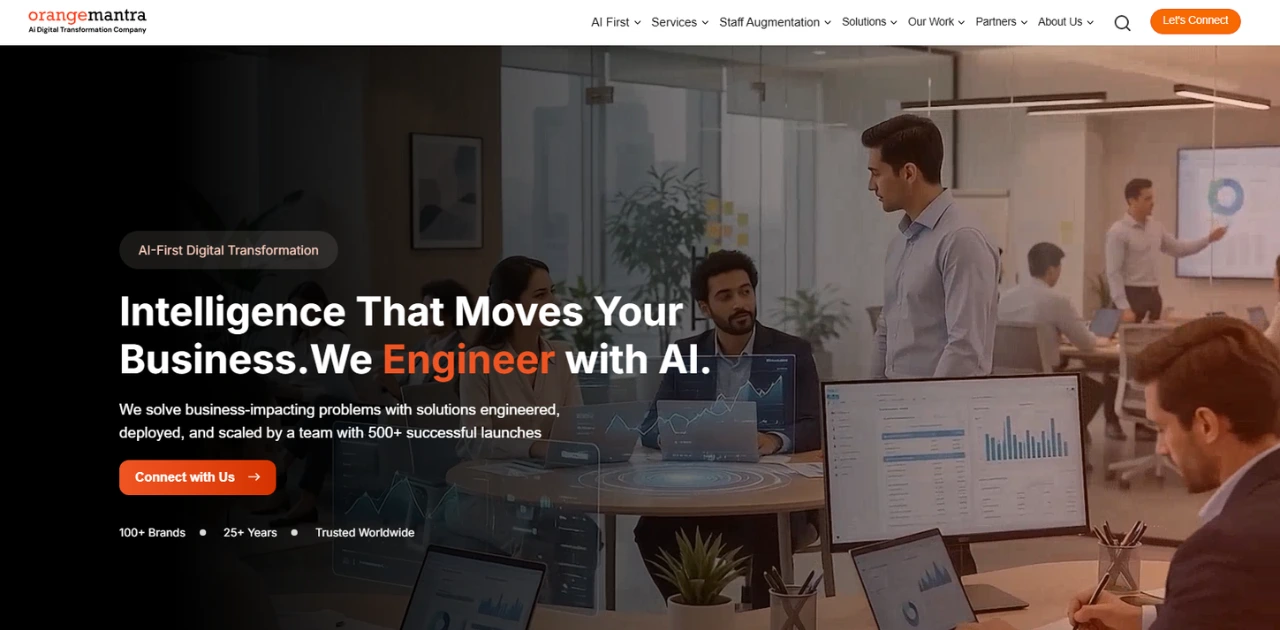
Founded: 2001 · Team: 250+ · Clutch: 4.7/5 · Rate: <$25/hr · HQ: Gurugram
The rate and team size combination here is unusual. A 250-plus person firm operating in the sub-$25 band is rare, which makes OrangeMantra a strong option for enterprise-style work on a mid-market budget. Founded in 2001, so they have survived every major platform transition since Symbian.
The 4.7 rating is solid rather than outstanding. Read the four-star reviews specifically. They tend to describe exactly where delivery gets uneven.
Good fit: Companies wanting enterprise process and bench depth without enterprise pricing.
Poor fit: Design-led consumer products where interface craft is the whole differentiator.
6. Appsinvo
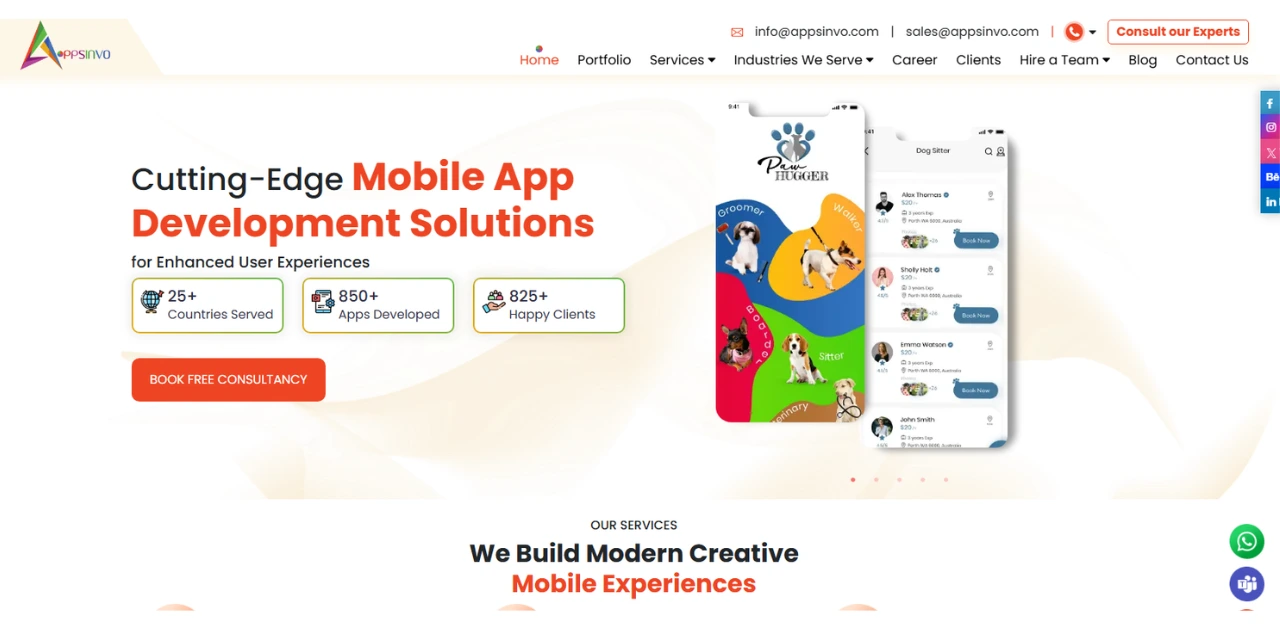
Founded: 2016 · Team: 50–249 · Clutch: 4.9/5 · Rate: <$25/hr · HQ: Noida
Appsinvo pairs a 4.9 rating with a sub-$25 rate, which is the combination most seed-stage founders are actually hunting for. A ten-year-old firm with a mid-size team moves faster than the large shops and still fields enough people to cover a real product squad.
The Delhi NCR base means a deep talent pool. It also means higher attrition risk than firms in smaller cities, so ask about team continuity.
Good fit: Pre-Series A startups building a first production app on $20,000 to $50,000.
Poor fit: Regulated enterprise work needing formal audit trails and compliance documentation.
7. Wama Technology
Founded: 2015 · Team: 50+ · Clutch: 4.9/5 · Rate: <$25/hr · HQ: Mumbai
The smallest team here, and that is the point. At 50-plus people you get direct access to senior staff instead of an account manager relaying messages. A 4.9 on a team this size usually means the founders are still close to delivery.
The Mumbai base gives good access to the fintech and media client base concentrated there.
Good fit: Founders who want to talk to the person building their app, on a modest budget.
Poor fit: Anything needing more than two parallel workstreams. Bench depth is limited.
8. DevsTree
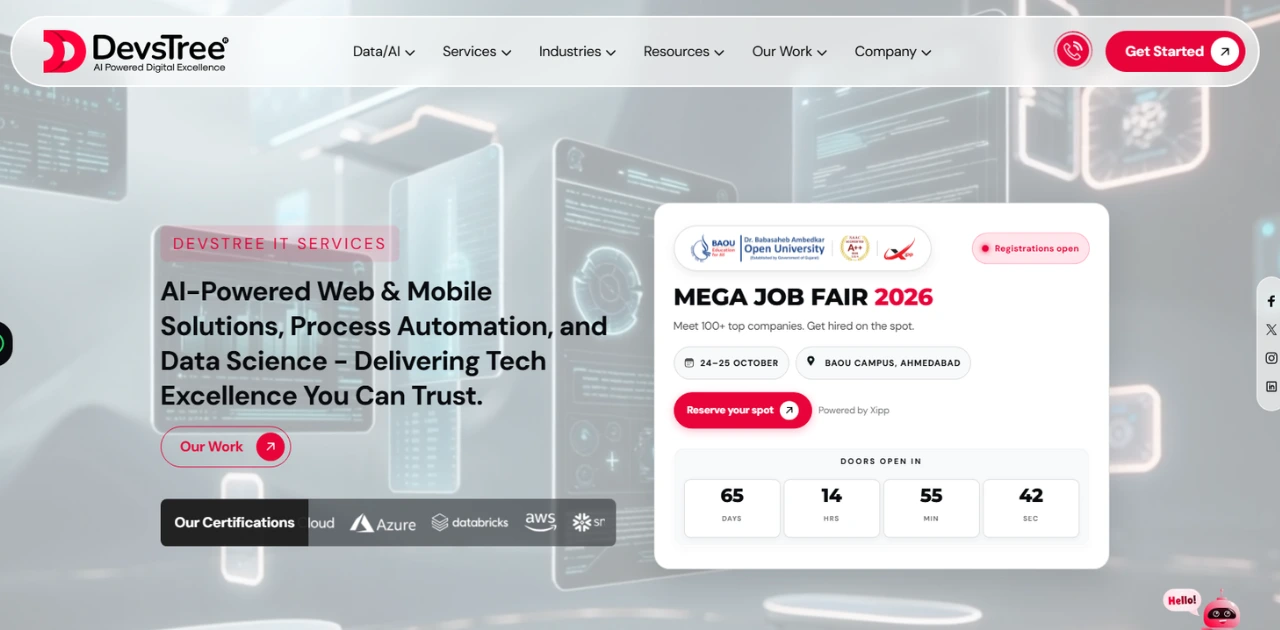
Founded: 2013 · Team: 50–249 · Clutch: 4.8/5 · Rate: <$25/hr · HQ: Ahmedabad
Ahmedabad has become a serious hub, with a lower cost base than Delhi NCR or Bengaluru and a stable engineering pool. DevsTree reflects that: competitive rates, low attrition, thirteen years of continuous operation.
Their strength is cross-platform delivery. Where Flutter or React Native genuinely suits the product, you get near-native results at a lower total cost.
Good fit: Cross-platform consumer apps where budget efficiency is the priority.
Poor fit: Performance-critical native builds such as camera-heavy or AR-driven apps.
9. FATbit Technologies
Founded: 2004 · Team: 50–249 · Clutch: 4.7/5 · Rate: $25–49/hr · HQ: Punjab
FATbit built its business on pre-engineered marketplace platforms, then layered custom development on top. If your product is a multi-vendor marketplace, a rental platform or a booking system, starting from their existing base cuts months off the timeline compared with building from zero.
Two decades of operation and 5,500-plus delivered projects across 100-plus countries back that up. The same logic applies if you are weighing white label app development more broadly.
Good fit: Marketplace, rental and booking products where speed to launch beats bespoke architecture.
Poor fit: Novel product categories with no existing template. Customising a platform can cost more than building clean.
10. Mypcot Infotech
Founded: 2017 · Team: 50–249 · Clutch: 4.7/5 · Rate: <$25/hr · HQ: Mumbai
The newest and most budget-focused option here. Mypcot serves SMEs and early-stage products where the constraint is cash, not ambition. Sub-$25 rates with a team of 50 to 249 means they can still assign a proper squad rather than one developer.
Nine years of operation is enough to have shipped real products, though less than the veterans above.
Good fit: SMEs and first-time app builders working under $25,000.
Poor fit: Complex integrations, regulated data, or anything needing formal security certification.
What App Development Actually Costs in India in 2026
Published rate bands hide more than they reveal. Here is what the numbers mean in practice.
Hourly rates by seniority
| Level | Rate | What it buys |
| Junior (1–3 yrs) | $15–22/hr | Supervised feature work, bug fixes, UI implementation |
| Mid-level (3–6 yrs) | $22–35/hr | Feature ownership, API integration, most of a standard build |
| Senior (6+ yrs) | $35–55/hr | Architecture, performance work, technical decisions |
| Architect / lead | $50–70/hr | System design, code review, delivery direction |
A blended team rate of $25 to $35 per hour is normal for a good Indian firm. Anything advertised below $12 per hour means one of three things: junior-only staffing, a developer split across several accounts, or a quote that will be revised upward once scope lands.
Fixed project bands
| Project type | Range | Duration |
| MVP, single platform, 6–10 screens | $12,000–25,000 | 8–14 weeks |
| Production app, both platforms, backend, admin panel | $30,000–60,000 | 4–6 months |
| Marketplace or on-demand platform with payments | $50,000–90,000 | 5–8 months |
| Regulated app (health, finance) with compliance work | $70,000–150,000 | 6–12 months |
| AI or blockchain-integrated product | $60,000–180,000 | 6–14 months |
What moves the number most
Screen count matters far less than founders expect. The real cost drivers are integrations (every payment gateway, KYC provider or third-party API adds engineering plus testing time), offline behaviour, real-time features such as live tracking or chat, and compliance work. A health app that needs consent logging and audit trails costs meaningfully more than an identical app without them.
Budget 15% to 20% of build cost annually for maintenance. OS updates alone force changes twice a year, every year. Leaving this out is the most common budgeting mistake we see.
DPDP, GST and IP: The Contract Checks Nobody Talks About
This is where most vendor lists stop, and where most engagements actually go wrong.
India’s data protection law is now live
The Government of India notified the Digital Personal Data Protection Rules, 2025, fully operationalising the DPDP Act, 2023, with an eighteen-month phased compliance timeline. Data Fiduciaries must issue standalone, plain-language consent notices explaining the specific purpose of collection, consent managers must be Indian companies, and personal data breaches must be reported to affected individuals with the nature of the breach, its likely consequences and the steps taken.
Three consequences for anyone commissioning an app:
Consent Has to Be Designed, Not Bolted On: Unlike GDPR, DPDP has no legitimate interests basis. Every processing purpose needs its own consent, and users can withdraw it. That is an architecture decision, not a privacy policy edit.
Children Means Under 18: Stricter than COPPA or GDPR, and verifiable parental consent is required before processing. If your app has any realistic chance of under-18 users, this reshapes your onboarding flow.
Breach Notification is Fast and Expensive: Penalties are set per incident and they are not small. Your development contract should say who carries liability if a breach traces back to a coding defect.
Ask every shortlisted app development agency to walk you through their DPDP consent architecture. If the answer is a generic privacy statement, they have not done the work. Read the official MeitY notification before your first call so you know what to listen for.
GST and export invoicing
If you are a foreign client hiring an Indian firm, your invoice should carry no GST. Export of services is zero-rated under Section 16 of the IGST Act when five conditions are met, including payment received in convertible foreign exchange. Established firms file a Letter of Undertaking each financial year and invoice you at zero tax.
If an Indian vendor tries to add 18% GST to a USD invoice, ask why. Either they have not filed an LUT, or the engagement is being treated as an intermediary service, which shifts the tax position. Neither is your cost to absorb.
IP assignment
Settle this in writing before the first sprint. The contract should assign all source code, designs and documentation to you on payment, name you as repository owner from day one, and cover third-party and open-source components used in the build. “We will hand over the code at the end” is not an assignment clause.
Engagement Models Compared
Fixed Price
Works when scope is genuinely locked. Predictable cost, but every change becomes a negotiation and vendors pad estimates to cover their risk.
Time and Materials
Works for evolving products. You pay for actual work and can redirect mid-sprint. Requires you to stay involved and watch the burn rate.
Dedicated Team
Works beyond six months. You get a stable allocated squad at a monthly rate, cheaper per hour than time and materials, and the team accumulates product knowledge instead of restarting each phase.
Staff Augmentation
Works when you already have technical leadership in-house and simply need capacity. You manage the work directly.
Most successful engagements start fixed-price for discovery and MVP, then shift to a dedicated team once product direction is proven.
Realistic Timelines
- Discovery and design: 3 to 5 weeks. Skipping this is why projects overrun.
- MVP, single platform: 8 to 14 weeks after design sign-off.
- Production app, both platforms: 4 to 6 months.
- Complex platform with payments and real-time features: 6 to 10 months.
- Regulated app with a compliance workstream: add 6 to 10 weeks.
App Store review adds 3 to 7 days, and considerably more if you are rejected on a guideline issue. Build that into launch planning rather than discovering it the week before.
Choosing Custom Mobile App Development Company Between Them
If you need scale and can fund it, start with Appinventiv or Successive Digital. If your product mixes a mobile front end with blockchain, AI or complex payments, Comfygen covers that in one team. If you want a partner for a five-year product life, Classic Informatics. If budget is the binding constraint, look at Appsinvo, DevsTree or Mypcot. If you are launching a marketplace, FATbit’s platform head start is hard to beat.
Shortlist three, not seven. Give each the same written brief. Compare what they ask you, not just what they quote. The firm that asks the hardest questions before pricing is usually the one that delivers.
If you want a scoped estimate against your actual requirements, talk to the Comfygen team and bring your feature list.
FAQs
How much does it cost to hire a mobile app development company in India?
Blended team rates run $25 to $35 per hour. Full projects cost $12,000 for an MVP up to $150,000 for regulated or AI-integrated platforms, depending on integrations and compliance scope.
Which is the best mobile app development company in India?
There is no single answer. Appinventiv suits large programmes, Comfygen suits app plus blockchain or AI builds, Classic Informatics suits long-life products. Match the firm to your product type.
Do Indian app development companies charge GST to foreign clients?
No. Export of services is zero-rated under the IGST Act when the conditions are met. Established firms file a Letter of Undertaking and invoice overseas clients without GST.
How long does it take to build an app with an Indian company?
An MVP takes 8 to 14 weeks after design approval. A production app across both platforms runs 4 to 6 months. Regulated apps add 6 to 10 weeks for compliance work.
Does the DPDP Act apply if my company is not based in India?
Yes. It applies to any entity processing personal data of people in India while offering goods or services. If your app is on the Indian app stores, you are covered.
Who owns the app code after development?
You should, from the first commit. Insist on a written IP assignment clause covering source code, designs, documentation and third-party components before work begins.

Mr. Saddam Husen, (CTO)
Mr. Saddam Husen, CTO at Comfygen, is a renowned Blockchain expert and IT consultant with extensive experience in blockchain development, crypto wallets, DeFi, ICOs, and smart contracts. Passionate about digital transformation, he helps businesses harness blockchain technology’s potential, driving innovation and enhancing IT infrastructure for global success.