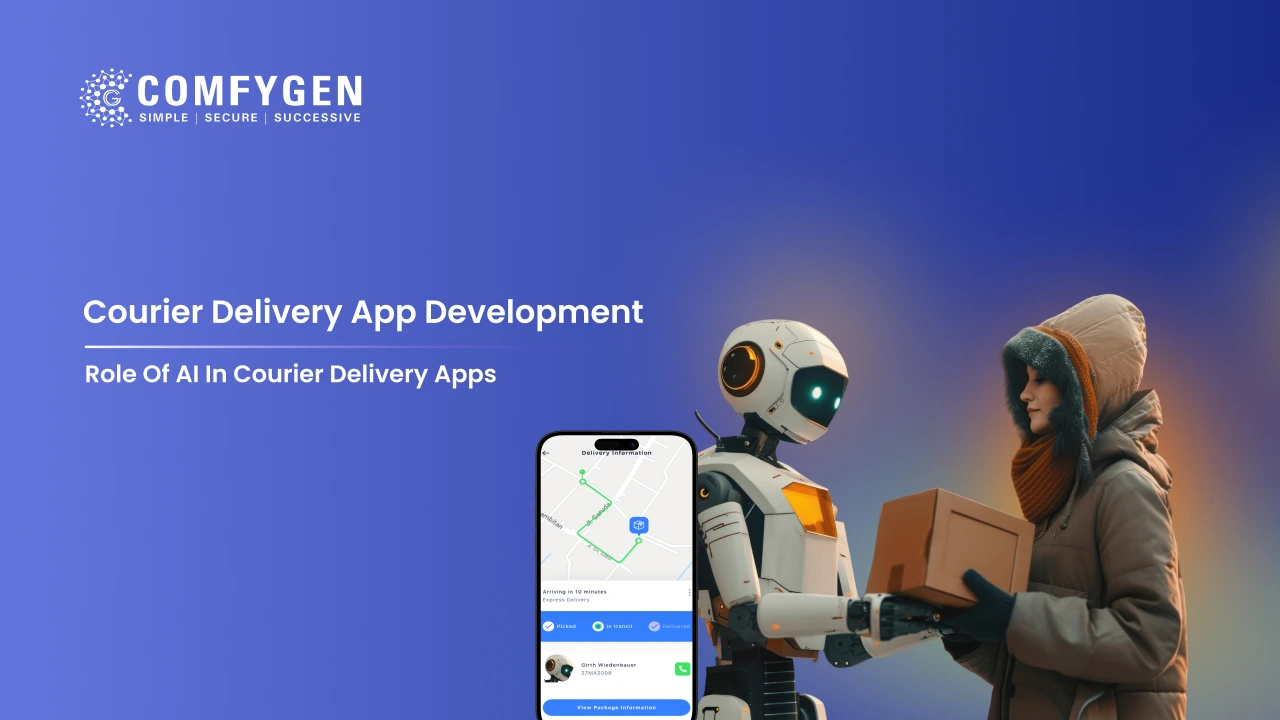





Artificial Intelligence (AI) is transforming the courier and delivery industry, making courier apps smarter and more efficient than ever. AI-powered delivery services help optimize delivery routes, predict shipment volumes, and automate dispatch operations, ensuring faster and more reliable deliveries. By using AI in courier delivery apps, logistics companies can reduce operational costs, improve delivery accuracy, and enhance customer satisfaction.
Modern AI-Powered delivery management systems also enable real-time tracking, automated customer support, and intelligent route planning, making last-mile delivery seamless and efficient. With AI technology, courier delivery service providers can stay competitive, scale operations, and provide faster, smarter, and cost-effective solutions for both businesses and customers. Traditional logistics systems often struggle to meet these high standards, but AI-powered courier delivery apps can process massive amounts of data in real time.
In this blog, we will walk through the role of AI in courier apps and how it is transforming the courier and delivery industry. You’ll see how they enable faster deliveries, lower operational costs, and better driver efficiency, all while creating a seamless customer experience. We’ll also explore how artificial intelligence in logistics helps businesses optimize routes, automate dispatch, and improve last-mile delivery, giving them a clear competitive edge.
How AI is Transforming Courier Delivery Apps
Artificial Intelligence (AI) is fundamentally revolutionizing courier delivery apps, making them faster, smarter, more reliable, and better at meeting customer expectations. Rather than being a single “feature,” AI typically works behind the scenes, continuously analyzing data and automating decisions that used to require human intervention.
1. AI-Powered Route Optimization for Faster Courier Deliveries
Route Optimization is transforming courier and delivery services by enabling smarter, data-driven route planning. Advanced AI algorithms analyze real-time traffic patterns, weather conditions, and delivery priorities to determine the most efficient routes. This not only reduces delivery times but also lowers fuel costs and minimizes vehicle wear and tear.
Benefits of AI-Driven Route Optimization for Courier Apps:
- Faster Deliveries: AI calculates the quickest routes, helping companies achieve up to 25% faster delivery times.
- Cost Savings: Reduced fuel consumption and optimized vehicle usage lower operational costs.
- Improved Customer Satisfaction: On-time deliveries and accurate ETAs enhance the overall customer experience.
- Dynamic Adaptation: AI adjusts routes in real-time based on traffic, road closures, or weather conditions.
- Efficient Resource Management: Optimizes driver schedules, reducing idle time and improving fleet utilization.
- Scalable Solutions: Works for small courier startups to large logistics enterprises, handling growing delivery volumes efficiently.
2. Predictive Analytics in Courier Apps for Smarter Deliveries
Predictive Analytics enables businesses to estimate demand, identify peak delivery hours, and allocate resources efficiently. By leveraging historical data and real-time insights, courier and logistics businesses can prevent bottlenecks, reduce delays, and ensure drivers are optimally utilized.
Key Benefits of Predictive Analytics in Courier Services:
- Demand Forecasting: Anticipates high-demand periods, such as holidays or special events, ensuring sufficient drivers and vehicles are available.
- Peak Hour Optimization: Identifies busy delivery times to allocate resources effectively and reduce delays.
- Improved Driver Utilization: Ensures drivers are assigned deliveries efficiently, reducing idle time and increasing productivity.
- Bottleneck Prevention: Predictive models help spot potential congestion points in delivery routes before they occur.
- Enhanced Customer Satisfaction: Accurate delivery forecasts improve on-time performance and reliability.
- Scalable Planning: Supports both small courier services and large logistics networks in managing growing delivery volumes.
Smart Dispatching with AI for Efficient Courier Deliveries
It revolutionizes courier operations by automatically assigning deliveries based on driver location, vehicle capacity, and real-time traffic conditions. This minimizes human error, balances workloads, and maximizes overall efficiency.
Benefits of AI-Driven Smart Dispatching:
- Automatic Delivery Assignment: AI assigns tasks to the best-suited driver, reducing manual scheduling errors.
- Optimized Workload Distribution: Ensures drivers have a balanced number of deliveries for efficient operations.
- Real-Time Traffic Adaptation: Routes are adjusted dynamically to avoid delays caused by congestion or accidents.
- Faster Deliveries: Packages reach customers in the shortest possible time, even during peak hours or high-volume periods.
- Reduced Operational Costs: Efficient dispatching minimizes fuel consumption and vehicle wear.
- Enhanced Customer Satisfaction: Faster and more reliable deliveries improve the overall user experience.
AI in Customer Support for Courier Apps
This provides fast, automated assistance. AI chatbots and automated notifications can handle common customer queries such as order tracking, delivery rescheduling, or service issues.
Benefits of AI-Powered Customer Support:
- Instant Responses: Customers receive immediate updates on order status and delivery changes.
- Reduced Support Workload: AI handles routine queries, allowing human agents to focus on complex issues.
- Improved Response Times: Businesses report a 40–50% reduction in support response times after integrating AI assistance.
- Enhanced Customer Satisfaction: Quick, accurate, and consistent communication improves the overall user experience.
- Proactive Notifications: Automated alerts keep customers informed about delays, delivery windows, or service updates.
- Scalable Support: AI-powered systems can handle large volumes of queries without compromising efficiency.
AI-Powered Fraud Detection and Security in Courier Apps
AI is enhancing security in courier services by detecting and preventing fraudulent activities. AI-powered fraud detection systems continuously monitor transactions, delivery logs, and user behavior to identify suspicious activities such as fake orders, unusual delivery patterns, or account breaches. This ensures a safer and more reliable service for both customers and partners.
Key Benefits of AI in Fraud Detection and Security:
- Real-Time Fraud Detection: Suspicious activities are flagged instantly, preventing potential losses.
- Account and Transaction Monitoring: Continuous analysis of user and delivery data improves overall security.
- Prevent Fake Orders: AI identifies unusual ordering patterns to reduce fraudulent requests.
- Maintain Customer Trust: Protects sensitive customer information and enhances confidence in the service.
- Protect Partner Relationships: Ensures safe transactions and reliable delivery operations for business partners.
- Scalable Security Solutions: AI systems can handle growing volumes of orders without compromising monitoring efficiency.
Transform Your Delivery Operations Today
Harness the Power of AI-Driven Courier Solutions!
Real-World Case Studies of AI in Courier Delivery Apps
Many courier and logistics companies are already reaping the benefits of AI integration across their operations. By leveraging AI-driven technologies, these companies are not only improving delivery efficiency but also reducing operational costs, minimizing human error, and enhancing customer satisfaction.
1. Case Study: Large Courier Company Optimizes Routes with AI
A leading global courier delivery company successfully integrated AI-powered route optimization into its parcel delivery app. By analyzing real-time traffic patterns, package volume, and road conditions, the AI system identified the fastest and most efficient routes for each driver.
Results Achieved:
- 20% Reduction in Delivery Times: Drivers reached destinations faster, improving operational efficiency.
- Significant Fuel Cost Savings: Optimized routes reduced fuel consumption and vehicle wear.
- Improved On-Time Delivery Rates: Deliveries became more predictable, boosting customer trust.
2. Case Study: Startup Uses Predictive Analytics to Cut Costs
A mid-sized logistics startup implemented AI-driven predictive analytics to anticipate peak delivery periods and resource requirements. By analyzing historical delivery data, weather trends, and local events, the system forecasted demand surges and helped the company prepare in advance.
Results Achieved:
- 15% Reduction in Operational Costs: Optimized driver allocation and vehicle usage lowered overall expenses.
- Faster Delivery Turnaround: Predictive insights ensured timely deliveries even during high-demand periods.
- Reduced Missed or Delayed Deliveries: Advanced planning minimized delivery disruptions and improved reliability.
- Improved Resource Management: Vehicles and drivers were deployed efficiently, maximizing productivity.
3. Case Study: E-Commerce Platform Leverages AI Chatbots
An e-commerce company integrated AI-powered chatbots into its courier app to handle customer inquiries efficiently. The AI system provided instant responses to questions about order tracking, delivery rescheduling, and service issues, reducing the dependency on human support teams.
Results Achieved:
- 50% Faster Customer Query Resolution: AI handled routine inquiries instantly, significantly improving response times.
- Reduced Support Workload: Human agents could focus on complex issues, enhancing overall operational efficiency.
- Improved Customer Satisfaction: Quick and accurate responses increased trust and loyalty.
- Actionable Insights: Recurring questions provided valuable data to refine delivery processes and service quality.
Success Stories and Key Metrics: How AI Transforms Courier Operations
AI implementation in courier and logistics companies is delivering measurable results, improving efficiency, reducing costs, and enhancing customer satisfaction. Real-world success stories highlight the tangible benefits of AI in different areas of delivery operations.
-
On-Time Delivery Rate:
AI-powered route optimization and smart dispatching help courier companies increase on-time deliveries by 15–25%. By factoring in traffic patterns, weather conditions, and delivery priorities, AI ensures packages reach customers faster and more reliably. -
Cost Savings:
Predictive analytics and optimized routing reduce operational costs. Many companies have reported 10–20% lower daily operational costs, thanks to reduced fuel consumption and improved vehicle utilization. -
Driver Utilization:
AI enables smarter delivery assignments, balancing workloads among drivers and maximizing efficiency. Mid-sized courier companies report higher driver productivity and fewer idle hours, allowing better service without expanding the fleet. -
Customer Satisfaction:
AI-driven chatbots and automated notifications enhance the customer experience. Faster query resolution, real-time tracking, and proactive updates lead to higher satisfaction ratings and repeat business. As one logistics manager noted:
“AI has transformed our delivery operations—we’re faster, smarter, and our customers notice the difference.” -
Benefits for Small to Mid-Sized Companies:
Even smaller courier companies are leveraging scalable AI solutions to compete with larger players. AI helps reduce operational complexity, optimize resources, and improve service quality without heavy investments in manpower.
Challenges and Considerations When Implementing AI in Courier Delivery Services
While AI offers major benefits for courier apps, its adoption comes with challenges like high costs, data quality needs, legacy system integration, cybersecurity risks, and staff adaptation. Addressing these proactively helps companies maximize AI advantages—faster deliveries, lower costs, better driver efficiency, and improved customer satisfaction—while minimizing risks.
1. Data Quality and Integration
AI systems depend on accurate and comprehensive data to make informed decisions. Many courier companies struggle with fragmented data from multiple sources, incomplete delivery records, or outdated customer information. Without clean, integrated data, AI predictions and optimizations can be inaccurate. Successful companies invest in robust data integration and cleaning processes to provide AI with a reliable foundation.
2. Training AI Systems for Specific Logistics Needs
AI models perform best when trained for the specific scenarios they will encounter. Logistics operations are highly dynamic, with varying traffic patterns, seasonal demand spikes, and differing delivery protocols. Companies must customize AI algorithms to handle local nuances, peak periods, and complex routing requirements to achieve optimal performance.
3. Cost and Implementation Time
Implementing AI requires an upfront investment in technology, infrastructure, and skilled personnel. Smaller companies may find these initial costs challenging. Many businesses adopt a phased approach, starting with pilot projects in limited regions or specific delivery functions before scaling AI across all operations. This approach balances investment with measurable returns and minimizes risk.
4. Overcoming Challenges
Leading courier services overcome AI implementation hurdles by combining technology with strategic planning:
- Investing in high-quality data pipelines for accurate analytics.
- Continuously training AI models using real-time operational data.
- Adopting cloud-based solutions for scalability and flexibility.
- Partnering with AI consulting firms or technology providers to accelerate deployment and reduce implementation risks.
Why Invest in AI-Driven Courier Apps
Investing in AI-Powered courier delivery apps is becoming increasingly attractive because these apps influence artificial intelligence to optimize logistics, improve efficiency, and enhance customer experience. Here’s a detailed breakdown of why you should invest in an AI-based logistics delivery app:
1. Increasing Demand for Fast and Reliable Delivery
- E-commerce growth and on-demand delivery services are skyrocketing.
- Customers expect same-day or next-day delivery, which requires highly efficient logistics.
- AI-driven courier apps can predict demand, optimize routes, and reduce delivery times, meeting this growing expectation.
2. Cost Efficiency and Operational Optimization
- AI can automate route planning, reducing fuel and labor costs.
- Predictive analytics can anticipate delivery bottlenecks and optimize workforce allocation.
- Reduces the likelihood of human error in scheduling or route planning, saving time and money.
3. Scalability
- AI systems can handle large volumes of orders without a proportional increase in staff.
- As your business grows, the app can automatically adjust routing, staffing, and inventory management.
- This makes scaling much easier than traditional courier systems.
4. Improved Customer Experience
- Real-time tracking powered by AI gives customers accurate ETAs.
- AI chatbots can handle inquiries 24/7, improving customer satisfaction.
- Personalized delivery options (time slots, preferred couriers) enhance loyalty.
5. Data-Driven Insights
- AI collects and analyzes huge amounts of delivery and customer data.
- Businesses can make smarter decisions: predicting demand in certain areas, adjusting pricing, and optimizing inventory.
- This insight can also be monetized through analytics services or partnerships.
6. Competitive Advantage
- AI-driven courier services are still emerging in many regions.
- Early investors can capture significant market share before competitors adopt similar technologies.
- Advanced AI features (like predictive maintenance for vehicles, drone deliveries, or smart warehousing) provide a technological edge.
7. Integration with Emerging Technologies
- AI can be combined with IoT, drones, and autonomous vehicles to further reduce costs and delivery times.
- This future-proofs the investment as the logistics industry moves toward automation.
Conclusion
AI is revolutionizing courier services by making deliveries faster, smarter, and more reliable. From optimized routes and predictive analytics to AI-powered customer support, this technology helps businesses reduce costs, boost efficiency, and enhance the customer experience. Real-world case studies demonstrate that companies of all sizes—from global logistics Service providers to emerging startups—can achieve measurable results by integrating AI into their delivery operations.
At Comfygen, we specialize in building AI-driven courier and delivery app development with advanced features such as smart dispatching, real-time tracking, predictive delivery forecasts, and automated customer support. Our solutions empower businesses to scale efficiently, optimize operations, and deliver exceptional service to their customers.

Mr. Saddam Husen, (CTO)
Mr. Saddam Husen, CTO at Comfygen, is a renowned Blockchain expert and IT consultant with extensive experience in blockchain development, crypto wallets, DeFi, ICOs, and smart contracts. Passionate about digital transformation, he helps businesses harness blockchain technology’s potential, driving innovation and enhancing IT infrastructure for global success.