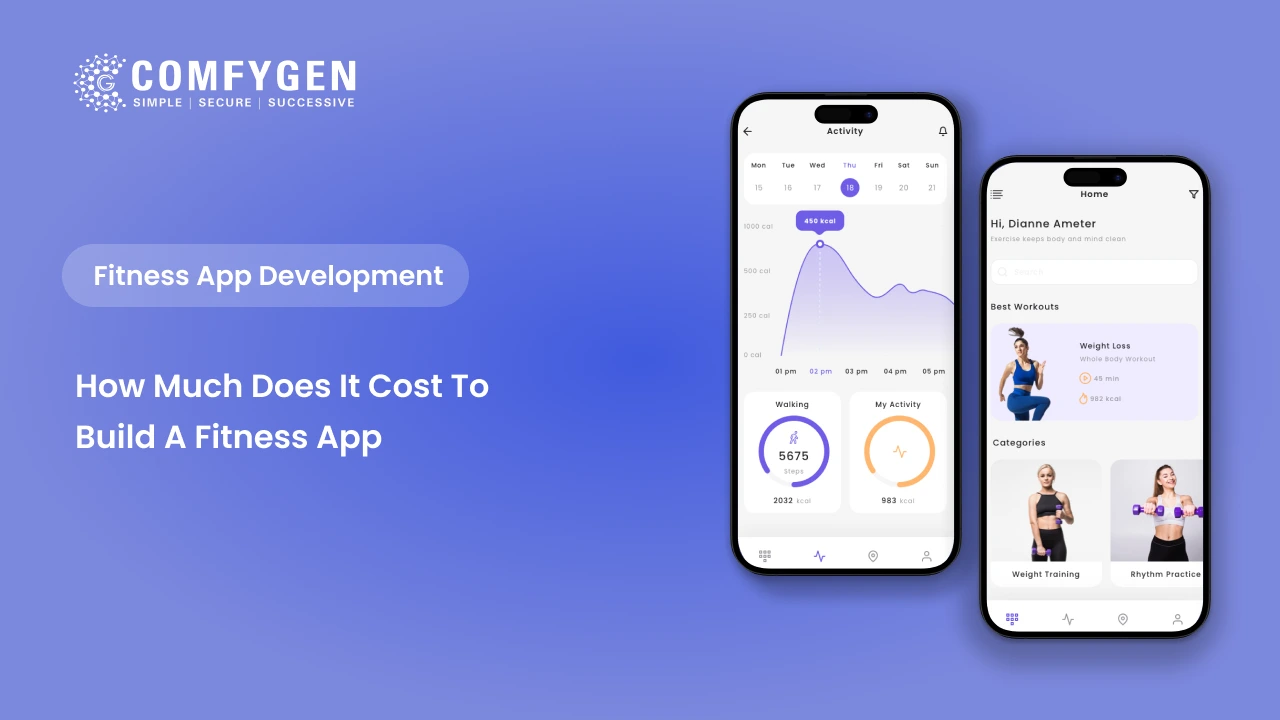





Fitness app development is aimed at meeting the growing demand for easy-to-use, accessible apps that help people maintain physical and mental wellness. The fitness apps that people use every day make a huge difference in their lives, from tracking fitness, guiding workouts, and planning nutrition to promoting mindfulness.
Due to the uncertain, non-planned lifestyle and routine, every individual is somehow compromising with their health. We are fortunate to have some advanced technologies, which have to build some fitness application services and solutions, to track down health measures and know whether we are doing good or seeking health attention.
Everyone is seeking to gain health measurements through the fitness app development, and many of them are wearing wearables to continuously track health. The surging demand is also increasing the demand for more innovative fitness app development. Based on a report by Statista, the fitness app market is projected to reach $6.86 billion by 2024. Till the end of 2029, this value will reach $10.6 billion with a CAGR of 7.96%.
However, creating a fitness app that truly stands out requires smart planning and unique ideas. The cost to build a fitness app depends on several factors such as app design, features, development platform, and technology used.
In this blog, we’ll discuss the key factors that affect fitness app development cost, provide an estimated price range, and share practical tips to save money during the development process.
Let’s explore how much it actually costs to develop a fitness app in today’s digital world.
How Much Does Fitness App Development Cost?
Developing a fitness app for iOS and Android involves a significant investment, influenced by various factors including app complexity, feature set, design requirements, and developer expertise. On average, the cost of fitness mobile app development can range from $20,000 to $250,000.
Ready to Build Your Fitness App?
Let’s Connect
What Are The Factors That Influence The Cost Of Fitness App Development?
Several key factors influence the cost to build a fitness app, each adding to the overall budget based on the app’s requirements and complexity.
Features and App Complexity
The number and complexity of features significantly impact custom fitness mobile application development costs.
Basic features like user profiles and workout plans are relatively inexpensive, while advanced functionalities like AI-driven recommendations, real-time tracking, and video tutorials require more development time and resources, increasing fitness mobile app development costs.
-
Basic Fitness App (user profiles, workout plans, activity tracking): $50,000 – $80,000
-
Medium-Level App (personalized plans, video tutorials, social sharing): $90,000 – $150,000
-
Advanced App (AI coaching, wearable integration, live classes, nutrition tracking): $160,000 – $250,000+
Backend Infrastructure
A robust backend is essential for managing user data, processing transactions, and ensuring seamless app performance. The complexity of backend infrastructure, including databases, servers, and APIs, can influence the cost to build a fitness app. High-performance, scalable, and secure backend solutions generally incur higher expenses.
-
Basic Backend (database + APIs): $10,000 – $20,000
-
Advanced Backend (cloud hosting, data analytics, scalability): $25,000 – $50,000
Target Platforms
The choice between developing for a single platform (iOS app development or Android app development) versus multiple platforms affects the fitness app development cost.
Native development for both platforms requires separate codebases, increasing development time and costs. Cross-platform solutions can be more cost-effective but might compromise on performance.
-
Single Platform (Android or iOS): $50,000 – $100,000
-
Both Platforms (Native apps): $120,000 – $200,000
-
Cross-Platform (Flutter or React Native): $90,000 – $160,000
UI/UX Design
Investing in high-quality user interface (UI) and user experience (UX) design is crucial for user retention. Fitness application costs include wireframing, prototyping, user testing, and design iterations. A visually appealing and intuitive design can justify the expenditure by enhancing user engagement.
-
Basic Design (simple UI): $8,000 – $15,000
-
Modern Design (custom elements, testing): $15,000 – $30,000
-
Premium Design (animations, user testing, branding): $30,000 – $50,000
Third-party Integrations
Integrating third-party services like payment gateways, social media, and wearable device APIs can add to the development cost. Each integration requires additional coding, testing, and sometimes licensing fees. These integrations enhance functionality but necessitate careful planning and execution.
-
Payment Gateway Integration: $3,000 – $6,000
-
Wearable Device Sync (Fitbit, Apple Watch): $8,000 – $15,000
-
Social Media & Login Integration: $2,000 – $5,000
-
Push Notifications or Chat Features: $3,000 – $8,000
Maintenance and Support
Post-launch maintenance and support are ongoing costs that include updates, bug fixes, and new feature additions. Regular maintenance ensures the app remains functional and secure. Budgeting for continuous support is essential to keep the app up-to-date and user-friendly.
-
Monthly Maintenance: $2,000 – $4,000 per month
-
Annual Maintenance: $15,000 – $30,000 per year
Development Prices by Location
Developer rates vary by region and hiring model.
| Region | Hourly Rate | Average Project Cost |
|---|---|---|
| North America / UK | $100 – $180/hr | $150,000 – $250,000+ |
| Eastern Europe | $60 – $100/hr | $90,000 – $180,000 |
| Asia (India, Vietnam) | $30 – $70/hr | $50,000 – $150,000 |
Hiring Approach of the Developers
Choosing between in-house developers, freelancers, or development agencies impacts cost. In-house teams offer better control but are expensive. Freelancers are cost-effective but may lack reliability. Agencies provide a balanced approach with expertise and reliability, often at a mid-range cost.
-
In-house Team: $150,000 – $250,000 (high control, higher cost)
-
Freelancers: $40,000 – $80,000 (budget-friendly but less reliable)
-
Best Fitness App Development Agency (like Comfygen Technologies): $70,000 – $180,000 (best balance of cost, expertise, and quality)
Advanced Features That Increase Fitness App Development Cost
Adding advanced and innovative features can make your fitness app stand out in a crowded market — but they also raise the overall development cost. These features provide users with personalized experiences, real-time insights, and higher engagement, ultimately improving app value and retention.
Here’s a list of key advanced features and how they can impact your fitness app development quotation:
AI-Powered Personal Coaching
Artificial Intelligence can offer personalized workout and diet suggestions based on user data such as age, goals, and fitness level.
Cost Impact: Adds around $15,000 – $30,000 depending on the AI model and complexity.
Integration with Wearable Devices
Connecting your fitness app with wearables like Fitbit, Apple Watch, or Garmin allows real-time tracking of heart rate, steps, calories, and sleep.
Cost Impact: Adds $10,000 – $25,000 based on the number of devices and data types integrated.
Wearable integration improves accuracy and boosts user engagement.
Live Video Streaming & On-Demand Workouts
Offering live workout sessions or video tutorials makes your app more interactive.
Cost Impact: Adds $20,000 – $40,000 for live streaming setup, cloud storage, and bandwidth management.
Perfect for fitness trainers and studios wanting to reach a wider audience.
Gamification and Rewards System
Gamifying fitness activities (badges, challenges, leaderboards) keeps users motivated and consistent.
Cost Impact: Adds $5,000 – $15,000 depending on design complexity.
Boosts motivation by turning workouts into fun challenges.
Nutrition and Meal Planning
Including a built-in meal planner, calorie counter, or recipe suggestion tool makes your app more complete.
Cost Impact: Adds $10,000 – $20,000 depending on database size and personalization level.
Helps users manage diet and workouts in one app.
Chatbots and Virtual Assistants
AI chatbots provide instant answers, reminders, and fitness tips.
Cost Impact: Adds $8,000 – $18,000 depending on NLP complexity and data integration.
Enhances user support and engagement without manual effort.
Community & Social Features
Allowing users to connect, share progress, or join groups creates a fitness community.
Cost Impact: Adds $10,000 – $25,000 for chat, notifications, and community feeds.
Social motivation drives long-term app engagement.
Advanced Analytics Dashboard
An admin dashboard helps track app performance, user growth, and engagement insights.
Cost Impact: Adds $12,000 – $25,000 depending on analytics depth and UI complexity.
Useful for business owners to make data-driven decisions.
AR/VR Fitness Features
Augmented or Virtual Reality brings immersive workouts, like virtual cycling or home gym training.
Cost Impact: Adds $25,000 – $50,000+ depending on the level of 3D graphics and environment setup.
Ideal for premium fitness apps focusing on innovative experiences.
Want to Know the Exact Cost of Fitness App?
Get Cost Estimate
How to Build a Fitness App Step-by-Step: A Complete Guide for 2025
The development of a fitness app involves a certain process. Here are some steps shown below. Follow them with intelligence and accuracy to build a robust fitness application that must engage the market and the targeted audience.
Market Research and Target Audience
Conduct thorough market research to understand current trends, competitors, and the needs of your target audience. Identify gaps in the market that your app can fill.
Knowing your audience’s preferences and pain points will help you design features that resonate with users, ensuring your app stands out and meets their fitness goals effectively.
Define Core Features
Outline the core features of our fitness app development, such as workout tracking, nutrition plans, and social media sharing. Prioritize features that align with user needs and market demand.
Consider adding unique elements like personalized coaching or integration with wearable devices. A clear feature list will guide the fitness mobile app development process and help in creating a comprehensive app.
Choose the Right Platform
Decide whether to develop your fitness app for iOS, Android, or both. Consider your target audience’s platform preferences and the advantages of each operating system.
Developing a cross-platform app can reach a wider audience, but it might require more resources. Platform choice influences the development tools and technologies you’ll use.
Design an Engaging User Interface (UI)
Focus on creating an intuitive and attractive user interface. The UI should be easy to navigate, with clear instructions and visually appealing elements. Use consistent colors, fonts, and icons to enhance the user experience. An engaging UI encourages users to explore the app and stick to their fitness routines.
Develop and Test the App
Start the development phase by writing clean, efficient code for the app’s backend and frontend. Use agile methodologies to ensure flexibility and iterative progress. Regularly test the app for bugs, performance issues, and usability problems to ensure optimal functionality.
Testing on multiple devices and platforms ensures a smooth user experience and minimizes post-launch issues.
Integrate Analytics and Feedback Mechanisms
Incorporate analytics tools to track user behavior and app performance. Analyzing data helps you understand user engagement and identify areas for improvement.
Additionally, provide easy ways for users to give feedback, such as in-app surveys or reviews. Regularly updating the app based on feedback keeps it relevant and user-friendly.
Launch and Market Your App
Plan a strategic launch to generate buzz and attract users. Utilize social media, fitness influencers, and press releases to spread the word. Offer introductory promotions or free trials to encourage users to download your app.
Post-launch, continue marketing efforts to maintain visibility and user engagement. Regular updates and new features can help retain users and attract new ones.
How Long Does It Take to Develop a Fitness App?
Developing a fitness app typically takes between six months to a year, depending on the fitness app’s complexity and feature set. The initial stages, including market research and planning, can take a few weeks. Designing the user interface and user experience often requires one to two months. The fitness application development phase, where the core functionalities are built, usually spans three to six months.
Finally, testing and debugging can take an additional one to two months to ensure the fitness application is ready for launch.
However, this timeline can vary based on several factors, such as the development team’s expertise, the technology stack used, and the feedback cycle during testing. Agile development methodologies can help streamline the process, allowing for iterative improvements and quicker adjustments based on user feedback.
Why Choose Comfygen as Your Fitness App Development Partner?
Choosing the right custom fitness mobile app development agency is a very high priority for the success of your fitness app. Comfygen stands out as a top choice for several reasons.
Expertise in Fitness Solutions
Comfygen has extensive experience in mobile app development, understanding the unique requirements and challenges in the healthcare industry. Their team of skilled fitness mobile app developers and designers is adept at creating user-friendly, secure, and compliant fitness solutions tailored to client needs.
Customizable and Scalable Solutions
Comfygen offers customizable solutions that can be tailored to your specific requirements. Whether you need basic features like video consultations and appointment scheduling or advanced functionalities like AI-driven diagnostics and EHR integration, Comfygen can deliver scalable solutions that grow with your business.
Focus on Security and Compliance
Healthcare apps handle sensitive patient data, making security and compliance critical. Comfygen prioritizes data protection, implementing robust security measures and ensuring compliance with healthcare regulations such as HIPAA. This focus on security builds trust with users and protects against data breaches.
End-to-End Development Services
Comfygen provides end-to-end development services, from initial consultation and planning to fitness app design, fitness application development, testing, and post-launch support. Their comprehensive approach ensures a smooth development process, timely delivery, and continuous improvement based on user feedback.
Cost-effective and Transparent Pricing
Comfygen offers competitive pricing without compromising on quality. They provide transparent pricing models, ensuring clients understand the costs involved upfront. Their flexible pricing structures cater to different budgets, making high-quality fitness application development solutions accessible to various healthcare providers.
If you want to see our fitness app development services, demo or want to develop your own fitness app?
Contact us:
Whatsapp: +91 958-786-7258 / +1 514-565-9471
Email: sales@comfygen.com
Telegram: @comfygen
Conclusion
Developing a fitness app involves a substantial investment, with costs influenced by factors such as app complexity, feature set, design quality, and fitness mobile app developer expertise. The fitness application development process requires careful planning and consideration of various elements, including backend infrastructure, target platforms, and ongoing maintenance.
Choosing the right fitness application development company, such as Comfygen, can significantly impact the success of your fitness and healthcare app. Comfygen’s expertise in healthcare app development solutions, customizable and scalable offerings, focus on security and compliance, end-to-end development services, and cost-effective pricing make them a reliable choice for healthcare providers seeking to implement healthcare technology.
By understanding the cost drivers and selecting a reputable fitness app development company in the USA, you can ensure the creation of a high-quality, user-friendly fitness or Healthcare app that meets the needs of your target audience and stands out in a competitive market. Investing in the right technologies and development team is crucial to delivering an app that not only meets user expectations but also provides a valuable tool for health and wellness.

Mr. Saddam Husen, (CTO)
Mr. Saddam Husen, CTO at Comfygen, is a renowned Blockchain expert and IT consultant with extensive experience in blockchain development, crypto wallets, DeFi, ICOs, and smart contracts. Passionate about digital transformation, he helps businesses harness blockchain technology’s potential, driving innovation and enhancing IT infrastructure for global success.