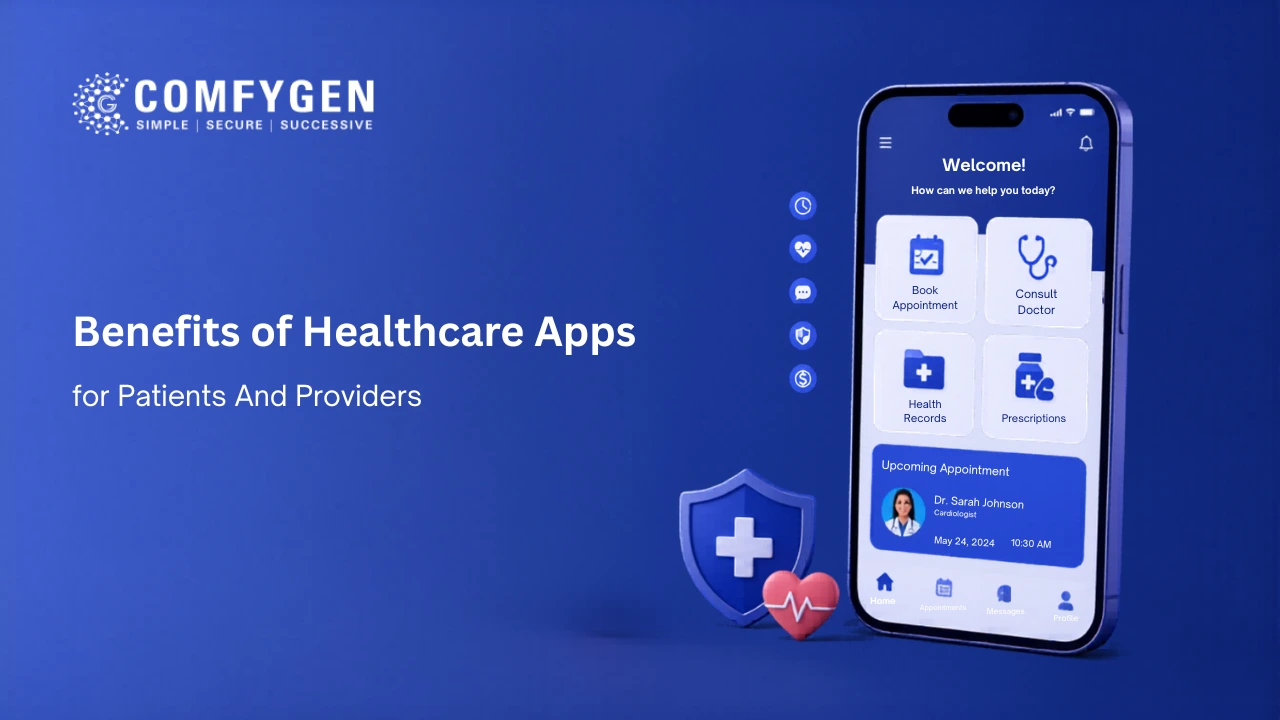





Healthcare used to mean waiting rooms, phone tag with the front desk, and a folder of paper records that somehow never made it to your specialist on time. That picture has changed fast. Mobile apps now sit at the center of how people book appointments, manage chronic conditions, refill prescriptions, and even talk to a doctor at 11 p.m. without leaving the couch.
For healthcare providers, the shift is just as significant. Clinics and hospitals that once ran on phone calls and paper charts are now using apps to cut no-show rates, automate billing, and get a real-time view of patient health between visits.
In this guide, we’ll walk through exactly how healthcare apps are reshaping care for both sides — patients and providers — and what to expect from the next wave of mobile health technology and beyond.
Market Overview of Healthcare Apps in 2026
The numbers tell the story better than any pitch deck could. According to Data Bridge Market Research, the global mobile medical apps market was valued at USD 6.89 billion in 2022 and is projected to reach USD 50.94 billion by 2030, growing at a CAGR of 28.4%. That’s not a niche trend that’s a fundamental shift in how care gets delivered.
Other research backs this up from a different angle. The broader mHealth apps market is expected to climb from roughly $49.7 billion in 2026 to $154.1 billion by 2034, at around 15.2% CAGR. Meanwhile, IQVIA’s earlier research found over 350,000 digital health apps already live across app stores — and that number has only grown since.
What’s driving all this? A few things:
- Patients want the same convenience from healthcare that they get from food delivery or banking apps.
- Providers are under pressure to cut costs, reduce admin overhead, and improve outcomes apps help on all three fronts.
- Insurers and health systems are investing heavily in digital-first care models, especially after the rapid adoption of telehealth.
Benefits of Healthcare Apps for Patients
Healthcare apps give patients something they rarely had before: control. Control over when they see a doctor, how they manage a condition, and how much they understand about their own health. Here’s how that plays out in practice.
1. Healthcare Without Geographic Limits
One of the most immediate benefits of healthcare apps for patients is that location stops being a barrier. Someone living two hours from the nearest specialist can now have a video consultation from their kitchen table. Someone traveling for work can still check in with their regular doctor instead of starting from scratch with someone new.
This matters most for people in rural or underserved areas, where access to specialists has historically been limited. Telehealth apps have closed a gap that infrastructure alone couldn’t fix.
2. Better Self-Management of Chronic Conditions
For the roughly 6 in 10 adults living with a chronic condition, daily management used to mean a lot of guesswork. Healthcare apps change that with built-in medication trackers, symptom logs, and lifestyle monitoring tools.
Patients with diabetes, hypertension, or asthma can log readings daily and watch trends over time instead of relying on memory during a 15-minute appointment. This kind of ongoing engagement is linked to better adherence and fewer emergency visits, according to research published by the National Library of Medicine.
3. Catching Problems Earlier
Preventive care is one of the quieter but more impactful benefits of mobile apps in healthcare. Many apps now include health risk assessments, symptom checkers, and wellness programs that flag potential issues before they become serious.
When paired with a wearable device, an app can notice an irregular heart rhythm or a sudden drop in activity level — and nudge the patient to check in with their doctor before a minor issue becomes a major one.
4. Medication Reminders That Actually Work
Forgetting a dose, taking it at the wrong time, or losing track of refills are common problems — especially for patients managing multiple prescriptions. Healthcare apps solve this with reminders tailored to specific dosages, timing, and frequency.
It sounds simple, but medication non-adherence is estimated to cost the U.S. healthcare system over $100 billion annually, much of it tied to preventable hospitalizations. A reminder notification is a small feature with an outsized impact.
5. Real-Time Access to Health Records
Patients increasingly expect to pull up their own test results, visit summaries, and prescription history without calling the clinic. Apps connected to electronic health records (EHR) give patients that access directly, which builds trust and reduces friction when switching providers or seeking second opinions.
6. Secure Communication with Care Teams
In-app messaging means patients don’t have to play phone tag to ask a quick question about a prescription or a symptom. This kind of direct line — without the wait time of a phone call — has become one of the top features patients look for in 2026, according to Your Health Magazine’s review of patient expectations.
Looking to Develop a Secure Healthcare App?
Whether you need a patient portal, telehealth platform, wellness app, or AI-powered healthcare solution, our team can help you bring it to market faster and with confidence.
Request a Custom Quote
Benefits of Healthcare Apps for Healthcare Providers
It’s not just patients who benefit. For clinics, hospitals, and individual practitioners, healthcare apps solve some long-standing operational headaches — and open up new ways to deliver care.
1. Less Time on Admin, More Time on Care
A huge share of healthcare staff time goes toward scheduling, billing, coding, and paperwork. Apps that digitize these workflows — think automated doctor appointment scheduling, digital intake forms, and integrated billing — cut down on manual errors and free up staff for higher-value work.
This isn’t a minor efficiency gain. Reducing administrative load is consistently cited as one of the biggest benefits of healthcare app development for provider organizations of every size.
2. Smoother Communication Between Care Teams
When a patient sees multiple specialists, things can fall through the cracks fast. A well-built healthcare app gives care teams a secure, shared space to message each other, share notes, and coordinate treatment plans — without relying on faxes, voicemails, or hallway conversations.
A healthcare mobile app developer building this kind of system typically focuses on HIPAA-compliant messaging and role-based access, so the right people see the right information at the right time.
3. Real-Time Patient Updates and Engagement
Apps allow providers to send appointment reminders, medication alerts, and follow-up instructions directly to patients — and actually know whether those messages were read. This kind of two-way communication keeps patients engaged between visits, which research consistently links to better treatment adherence and outcomes.
4. Data-Driven Decisions, Not Guesswork
Every patient interaction within a healthcare app, from symptom tracking to wearable data and appointment history, generates valuable insights that a single visit alone may miss. By leveraging custom healthcare app development solutions, providers can identify risks earlier, personalize care, and measure treatment outcomes more effectively.
The World Health Organization has highlighted how AI-enabled digital health tools are helping reduce system overload by supporting triage and predictive analytics something that’s becoming standard rather than experimental.
5. Remote Patient Monitoring Reduces Hospital Strain
Connected to wearables, healthcare apps let providers track vitals like heart rate, blood pressure, glucose, and oxygen saturation continuously — not just during appointments. For patients managing chronic conditions, this means abnormalities get caught early, often avoiding an ER visit altogether. For hospitals, it means fewer readmissions and better use of inpatient capacity.
6. Stronger Patient Retention and Trust
A smooth digital experience builds loyalty. Patients who can book appointments, message their doctor, and access records without friction are far less likely to switch providers over small inconveniences. In a competitive healthcare market, the app experience has quietly become part of the brand experience.
Must-Have Features in a Modern Healthcare App
If you’re planning to build a healthcare app, these are the features that both patients and healthcare providers expect as standard in 2026—not optional add-ons:
- Appointment Scheduling and Reminders: Easy booking, waitlist management, and automated rescheduling to reduce missed appointments.
- Telehealth & Video Consultations: Secure virtual visits with features like screen sharing, file sharing, and in-call notes for providers.
- EHR Integration: Seamless synchronization of medical records, lab results, prescriptions, and patient histories across healthcare systems.
- Secure Messaging: HIPAA-compliant communication that allows patients and care teams to stay connected safely and conveniently.
- Medication Management: Smart reminders, refill requests, dosage tracking, and drug interaction alerts to support better treatment adherence.
- Wearable Device Integration: Real-time health data collection from devices such as Apple Watch, Fitbit, and continuous glucose monitors.
- AI-Powered Symptom Checkers: Helping patients assess symptoms and find the right level of care before booking an appointment.
- Billing and Payments:Simplified payment processing, insurance verification, and flexible payment plan options.
- Accessibility Features: Inclusive design with screen reader compatibility, adjustable text sizes, multilingual support, and voice navigation.
Emerging Trends Shaping Healthcare Apps
A few trends are worth watching if you’re planning a build or an upgrade this year:
AI-powered Virtual Care
Healthcare apps are evolving beyond basic chatbots to support patient triage, pre-visit data analysis, and early diagnostic assistance, helping clinicians make more informed decisions before an appointment begins.
Blockchain for Records Security
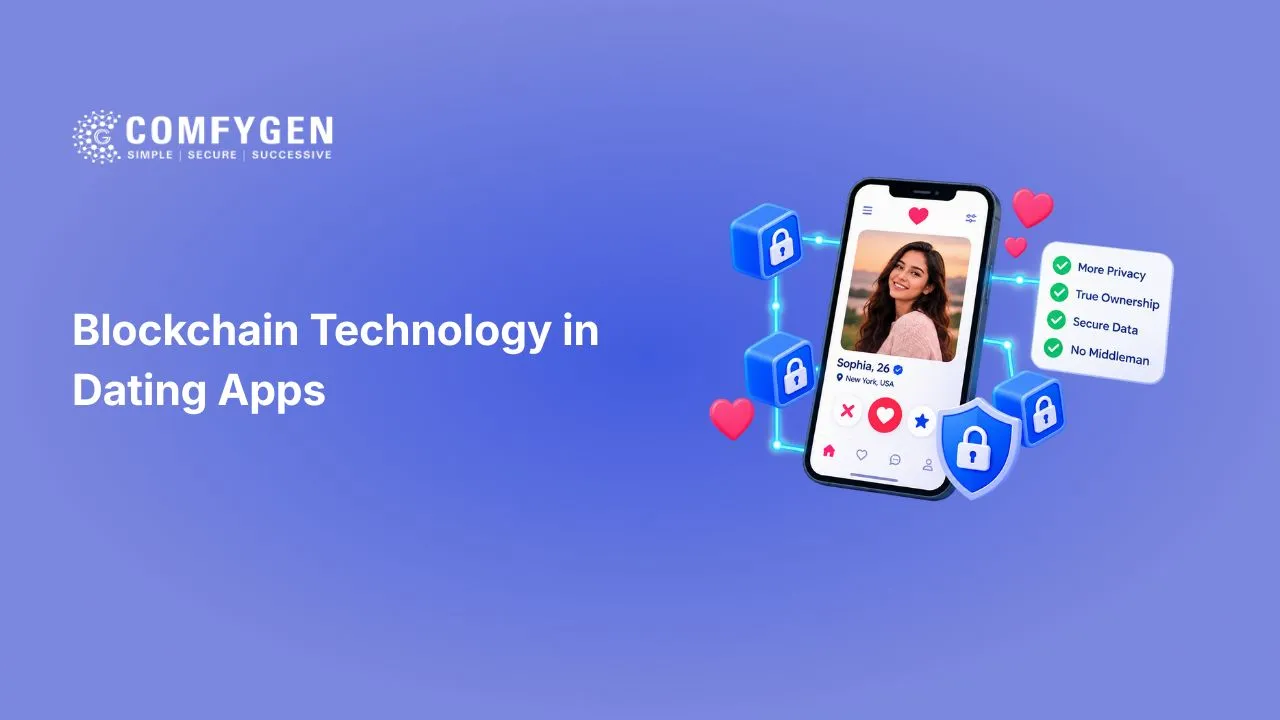
Some platforms are using blockchain to give patients more control over who can access their records, particularly useful for second opinions or sharing data across providers without compromising privacy.
Voice Technology
Voice navigation and AI-driven voice assistants are improving accessibility for elderly patients and those with disabilities, while also speeding up documentation for clinicians.
Mental Health Integration
Therapy bookings, mindfulness tools, and AI-based emotional support features are increasingly built into general healthcare apps rather than offered as separate products.
Interoperability as a Baseline Expectation
Patients and regulators now expect healthcare apps to seamlessly integrate with pharmacy systems, laboratory portals, and hospital EHRs, rather than functioning as isolated systems.
For a closer look at where this is all heading, our post on healthcare app development challenges and the solutions addressing them covers both the trends and the practical hurdles teams run into.
Challenges to Plan For Before You Build
It’s worth being honest: healthcare apps aren’t simple to get right. A few things tend to trip up new projects:
- Regulatory compliance (HIPAA in the U.S., GDPR in Europe) needs to be designed from day one, not bolted on afterward.
- EHR integration is often more complex than expected, especially with older hospital systems.
- Data security has to be airtight healthcare data is one of the most targeted categories for breaches.
- User adoption depends heavily on how intuitive the app feels, especially for older patients.
Ready to Build a Healthcare App That Delivers Real Results?
Empower patients, streamline provider workflows, and improve healthcare outcomes with a custom healthcare app. Our experts can help you design and develop a app solution tailored to your goals.
Get a Free Consultation
How Much Does It Cost to Build a Healthcare App?
Costs vary widely depending on features, platform (iOS, Android, or both), and whether you need EHR integration or telehealth capability. A basic MVP might start in the tens of thousands, while a full-featured platform with AI, wearables integration, and multi-platform support can run significantly higher.
For a detailed breakdown by feature and complexity, see our full guide on healthcare app development costs.
Final Thoughts
Healthcare apps aren’t a trend that’s going to fade they’re becoming the default way patients and providers interact. For patients, that means more control, fewer barriers, and care that fits around their life instead of the other way around. For providers, it means less time lost to paperwork and a clearer picture of patient health between visits.
If you’re considering building a healthcare app whether it’s a telehealth platform, a chronic care management tool, or something built around a specific specialty it helps to work with a team that understands both the technical and regulatory sides of healthcare software.
Get in touch with Comfygen to talk through what a healthcare app could look like for your organization.
Contact us:
Whatsapp: +91 9587867258
Email: sales@comfygen.com
Frequently Asked Questions
What are the main benefits of healthcare apps for patients?
The biggest benefits include remote access to doctors, easier chronic condition management, medication reminders, access to health records, and secure messaging with care teams — all of which reduce the friction of managing health day to day.
How do healthcare apps help providers reduce costs?
By automating scheduling, billing, and documentation, providers spend less staff time on admin work. Remote monitoring also reduces avoidable hospital visits and readmissions, which lowers costs across the system.
Are healthcare apps secure?
A properly built healthcare app should be HIPAA-compliant (or compliant with relevant regional regulations), using encryption, role-based access, and secure authentication to protect patient data.
What features should a healthcare app have in 2026?
At minimum: appointment scheduling, telehealth, secure messaging, EHR integration, medication management, and wearable device support. AI-based triage and accessibility features are quickly becoming standard as well.
How long does it take to build a healthcare app?
A basic MVP can take a few months, while a full-featured platform with integrations typically takes six months to a year, depending on regulatory requirements and integration complexity.

Mr. Saddam Husen, (CTO)
Mr. Saddam Husen, CTO at Comfygen, is a renowned Blockchain expert and IT consultant with extensive experience in blockchain development, crypto wallets, DeFi, ICOs, and smart contracts. Passionate about digital transformation, he helps businesses harness blockchain technology’s potential, driving innovation and enhancing IT infrastructure for global success.