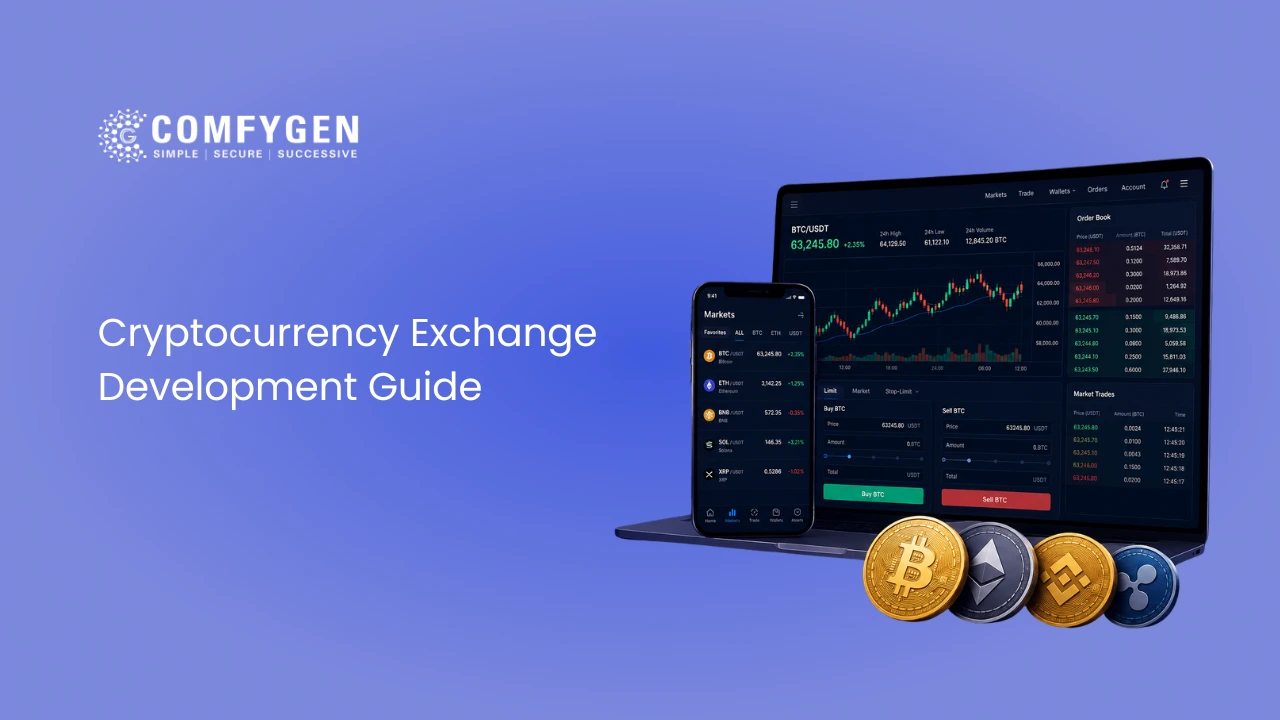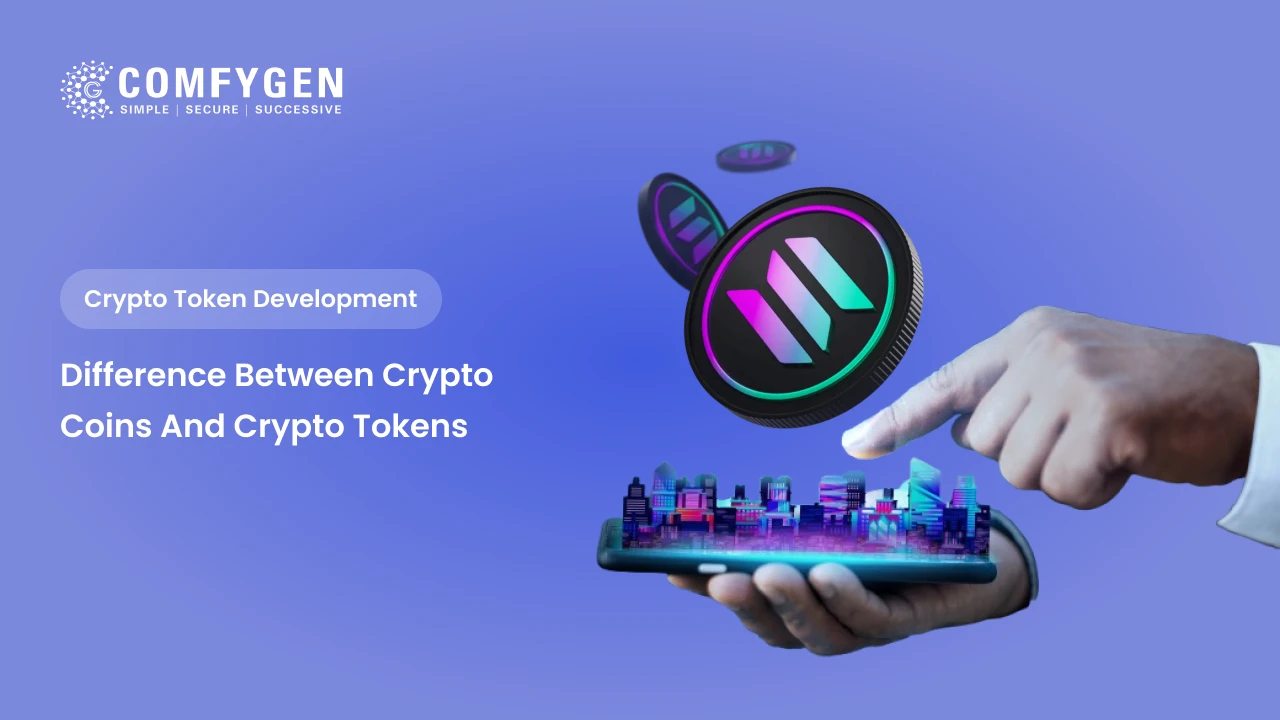





Cryptocurrency is a form of digital currency that operates on decentralized computer networks, typically using blockchain technology, which eliminates the need for a central authority like a bank or government to control or verify transactions. It enables secure, peer-to-peer online payments and acts as a store of value that can be transferred globally with low fees and high transparency. Interest in cryptocurrencies has increased due to their potential to revolutionize traditional financial systems, enabling greater financial inclusion and innovative applications beyond simple digital cash.
The difference between crypto coins and crypto tokens is crucial because both are digital assets; they serve distinct roles within the blockchain ecosystem. Crypto coins are native to their own blockchain network and primarily function as digital cryptocurrency, whereas crypto tokens are built on existing blockchain networks and can represent a wide range of assets or utilities beyond just currency. Knowing this distinction helps users, investors, and developers make informed decisions about the functionality, potential use cases, and technical foundations of different digital assets in the rapidly evolving cryptocurrency landscape.
What Are Crypto Coins?
Crypto coins are native digital currencies that exist on their own independent blockchains. Each cryptocurrency operates on a unique and standalone blockchain network that records all transactions in a decentralized, secure ledger called the blockchain. These coins serve primarily as digital money, used either for everyday currency transactions or as a store of value. They are secured and maintained by a distributed network of computers running consensus protocols, such as proof of work or proof of stake, which verify and validate each transaction added to the blockchain.
Examples of crypto coins include Bitcoin, the first and most well-known cryptocurrency that operates on the Bitcoin blockchain, and Ethereum’s ether, which functions as the native currency on the Ethereum blockchain. Unlike tokens that depend on other blockchains, crypto coins have their own independent networks and protocols, granting them a foundational role in the cryptocurrency system. Their independence and security come from the consensus mechanisms that ensure trust and prevent fraud without the need for centralized authorities.
What Are Crypto Tokens?
Crypto tokens are digital assets created on existing blockchain networks using smart contracts, which are self-executing programs that automatically enforce the rules and conditions of transactions. Unlike crypto coins, which have their own independent blockchains, crypto tokens depend on the infrastructure of a host blockchain, such as Ethereum, Binance Smart Chain, or Solana, to function. These crypto tokens can represent a wide range of utilities, including digital currency assets, access rights, governance votes, or other functionalities within decentralized applications and platforms.
Crypto tokens are multipurpose and extend beyond simply acting as digital cryptocurrency. Common examples include ERC-20 tokens on the Ethereum blockchain, which are widely used for various decentralized finance (DeFi) projects, governance tokens granting voting power in protocols, and non-fungible tokens (NFTs) that represent unique digital collectibles or assets. Their dependency on the host blockchain means they use that blockchain’s security and consensus mechanism but execute specific logic or rules defined in their smart contracts.
Key Differences Between Crypto Coins and Crypto Tokens
| Aspect | Crypto Coins | Crypto Tokens |
| Blockchain | Native to their own blockchain | Built on existing blockchains |
| Purpose | Digital currency or store of value | Various functions, including utility, governance, and assets |
| Network Dependency | Independent networks | Dependent on the host blockchain |
| Creation Method | Own blockchain protocol | Created via smart contracts |
| Examples | Bitcoin, Ether | Uniswap (UNI), CryptoKitties (NFTs) |
Use Cases and Importance
Crypto coins primarily serve as digital money used for payments and transferring value across decentralized networks. They act as the foundational currency within their own blockchain ecosystems, incentivizing participants such as miners or validators to secure and maintain the network. For example, Bitcoin is widely recognized as a store of value and medium of exchange, while Ethereum’s ether is used to pay transaction fees and participate in staking within Ethereum’s ecosystem.
On the other hand, crypto tokens have a broader spectrum of use cases. They are central to decentralized applications (DApps), enabling functionalities such as governance voting in decentralized autonomous organizations (DAOs), participation in decentralized finance (DeFi) protocols, in-game assets for blockchain-based games, and crypto tokenization of real-world assets like real estate or commodities. Tokens leverage existing blockchain platforms to provide programmable utilities beyond mere currency, driving innovation and new economic models in the blockchain space.
Understanding the difference between coins and tokens is crucial for users, developers, and investors. It helps users know how to use each asset properly, enables developers to choose the right model for their projects, and allows investors to gauge the risk and utility associated with each. Coins generally offer more stability and security due to their native blockchains, while tokens offer flexibility and diverse functionalities but come with dependencies on the host blockchain’s security and contract quality. This distinction shapes decision-making and strategy in the fast-evolving crypto ecosystem.
Conclusion
Crypto coins and crypto tokens play distinct but complementary roles in the blockchain ecosystem. Coins, like Bitcoin and Ethereum’s ether, are native to their own independent blockchains and primarily act as digital currencies or stores of value, powering the infrastructure and securing the network. Tokens, however, are created on existing blockchains through smart contracts and offer a wider array of functionalities, ranging from governance, decentralized finance (DeFi), gaming assets, to real-world asset representation.
Understanding the difference between these two types of digital assets is essential for users, developers, and investors to navigate the rapidly evolving crypto space effectively. Coins provide the foundation of decentralized systems with greater stability, while tokens enable innovative applications and customizable functionalities.
Comfygen Technologies encourages you to explore these digital asset types further to make informed decisions and leverage the opportunities presented in this dynamic and transformative industry. Mastery of the distinctions between crypto coins and tokens is key to participating confidently in the future of blockchain technology and cryptocurrency adoption.

Mr. Saddam Husen, (CTO)
Mr. Saddam Husen, CTO at Comfygen, is a renowned Blockchain expert and IT consultant with extensive experience in blockchain development, crypto wallets, DeFi, ICOs, and smart contracts. Passionate about digital transformation, he helps businesses harness blockchain technology’s potential, driving innovation and enhancing IT infrastructure for global success.
Based on Interest

Cloud Kitchen Management Software Development: Features, Process, Cost & Compliance Guide
Quick Summary: Cloud kitchen management software development brings order aggregation, kitchen display systems, inventory tracking, and analytics into one dashboard, replacing the…