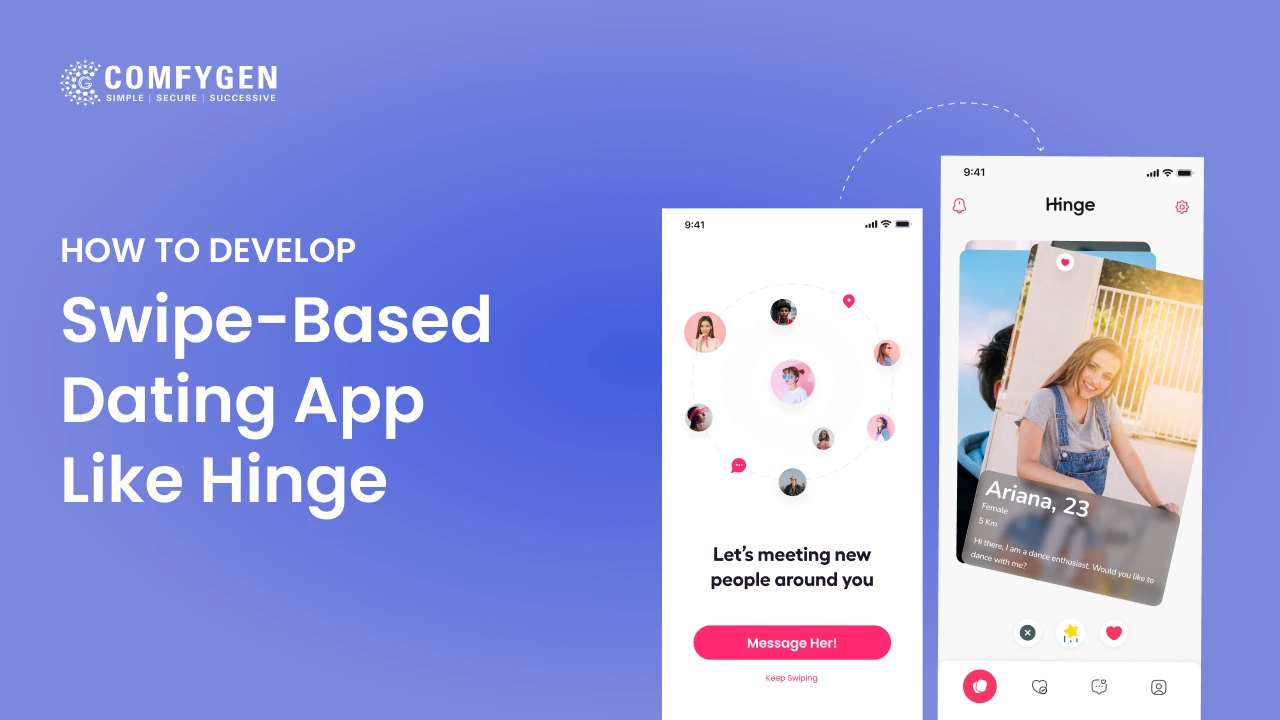





If you want to build a dating app like Hinge, you are entering one of the few consumer app categories where users are actively willing to pay every month for a better experience. Hinge proved that relationship-focused, prompt-driven matching can out-earn pure swipe apps, and that has opened the door for new entrants who want to develop a dating app like Hinge for a specific audience, region, or niche.
This guide walks through the market opportunity, the features you need, the development process, monetization options, and a realistic cost breakdown for anyone planning to create a dating app similar to Hinge in 2026.
Market Opportunity: Why Build a Dating App Like Hinge in 2026
The online dating market is large, growing, and increasingly rewarding apps that focus on serious connections rather than infinite swiping. A few data points matter most for anyone evaluating whether to develop a dating app like Hinge right now:
- Market size: The global online dating services market is valued at roughly $7.79 billion in 2026 and is projected to reach $13.57 billion by 2031, growing at close to a 11.76% CAGR.
- Relationship-first apps are outgrowing swipe-first apps: Hinge’s revenue grew 38% year-over-year to around $550 million, even as Tinder and Bumble both saw paying users decline. Relationship-focused, prompt-driven apps are the part of the market still expanding.
- Trust and safety drive willingness to pay: Verified identity, anti-scam tooling, and trust features are now competitive differentiators, not nice-to-haves, since romance-scam losses crossed $1.3 billion in the US in 2025.
- Niche players are taking share from incumbents: Niche and intentional-dating apps are gaining share against the legacy giants, which means there is real room for a new app to carve out a defensible position instead of competing head-on with Tinder.
Together, these trends make a strong case for building a dating app like Hinge rather than a generic swipe clone: the audience that pays is the audience looking for something more deliberate than Tinder.
What Makes the Hinge Model Worth Building On
When founders ask us to build an app like Hinge, they are usually not asking for a visual copy. They are pointing at a specific product strategy that any new dating app can borrow and adapt:
- Profile depth over photo volume: prompts and detailed profiles instead of photo-only swiping, so matching is based on personality signals, not just appearance.
- Granular like-and-comment interactions: letting users like or comment on a specific part of a profile (a prompt, a photo, a line of text) creates a built-in conversation starter and raises reply rates.
- A learning match algorithm: a recommendation engine that adjusts to who a user actually engages with, not just who they swipe right on, so match quality improves over time.
- A “designed to be deleted” brand promise: positioning the product around finding a relationship, which supports premium pricing because the audience is more invested in outcomes than casual users.
These are the mechanics worth replicating when you create a dating app similar to Hinge. The goal in development is to translate each of these into a concrete feature, not to copy Hinge’s UI.
Must-Have Features to Build a Dating App Like Hinge
To develop a dating app like Hinge that can actually compete, the feature set needs to support depth, safety, and retention at the same time. Here is the core feature list we scope for every Hinge-style build:
1. Rich, Prompt-Driven Profiles
Go beyond photo grids. Build customizable prompts (“My perfect Sunday consists of…”), voice-note answers, and structured fields for interests, lifestyle, and relationship goals. This is the single biggest lever for match quality in a Hinge-style app.
2. AI-Driven Matchmaking Engine
Use machine learning based dating app to score compatibility based on profile content, engagement patterns, and stated preferences, not just swipe history. This is the technical core of any app that wants to build on the Hinge model rather than the Tinder model.
3. Granular Like and Comment System
Allow users to react to specific prompts or photos instead of only liking a profile as a whole. This single feature is responsible for much of Hinge’s higher reply rate compared to plain swipe apps, and it is straightforward to scope for a development team.
4. In-App Messaging With Conversation Starters
Pair a secure chat system with icebreaker suggestions tied to what a user liked on the other person’s profile. This reduces the “no first message” drop-off that kills engagement on most dating apps.
5. Verification and Safety Tooling
Identity verification (selfie or ID-based), two-factor authentication, in-app reporting, and AI-based fake-profile detection are now baseline expectations. With romance scams at record levels in 2026, safety features directly affect conversion and retention, not just compliance.
6. Smart, Location-Aware Recommendations
Combine location, activity data, and stated preferences to surface a focused daily set of matches rather than an endless feed. Intentional, limited daily recommendations are part of what keeps a Hinge-style app from feeling like a swipe treadmill.
7. Premium Tier Infrastructure
Build the subscription, paywall, and entitlement logic from day one so you can launch a freemium model without a second development phase later.
Build a Feature-Packed Dating App Like Hinge
Looking to create a unique dating experience? We help you develop custom dating apps with swipe features, smart matching, profile verification, and more.
Request a Free Quote
Steps by Steps to Create a Dating App Like Hinge
Building a dating app like Hinge is a structured product build, not a quick clone job. Here is the process we follow end to end:
1. Market and Competitor Research
Study existing dating apps like Hinge, Tinder, and Bumble to map their strengths, gaps, and pricing. Decide what your app’s core differentiator will be (a niche audience, a region, a different matching logic) before writing a single feature spec.
2. Define the Core Features
To build a successful dating app similar to Hinge, you need to focus on features that connect with users and offer a unique experience. The main features should cater to user tastes, encourage important exchanges, and separate your app in a competitive market. Here’s what your app must include:
- User accounts: Allow thorough and customizable accounts.
- Matchmaking Algorithms: Use AI to suggest suitable matches.
- Unique Swiping Mechanism: Include interesting swipe features like responding to specific personal information.
- Messaging System: Offer live chat choices once a match is made.
By including features that match with user needs, you can build a dating app similar to Hinge that feels simple and interesting.
3. Choose the Right Monetization Model
Decide on how you’ll make income. You can follow apps like Hinge by giving paid membership, in-app purchases, or ads. For example, Hinge’s “Preferred Membership” offers special benefits like endless likes and improved exposure.
4. Collaborate with a Skilled Development Team
Partner with a professional dating app development company to bring your idea to life. Look for a team skilled in building swipe-based dating apps like Hinge. Their experience will ensure smooth UI/UX design, strong server development, and merging of cutting-edge technologies like AI and tracking.
5. Design an Engaging UI/UX
The style of your app plays a major part in user engagement. Focus on clean layouts, easy navigation, and visually appealing color patterns. Your app’s UI/UX for a dating app should match with your brand and user tastes to create a smooth experience.
6. Development Phase
Building a dating app like Hinge needs smooth merging of design, usefulness, and technology. The development method ensures that the app not only works quickly but also provides a safe and enjoyable user experience. Here’s how the process unfolds:
- Front-End Development: Build the system people engage with.
- Back-End Development: Ensure scale, security, and smooth working of methods.
- Integration of Features: Incorporate scrolling, matching, and talking features.
7. Test the App
Before starting, fully test your app for problems, glitches, and user feedback. Conduct usage tests to ensure the app is simple and fits with user standards. Iterative testing ensures the cost to develop an app like Hinge doesn’t go to waste due to bad performance.
8. Launch and Market Your App
Release the app on various devices like iOS and Android. Use smart marketing strategies to draw users. Highlight your app’s unique features to stand out among dating apps better than Hinge and alternatives.
9. Gather Feedback and Improve
The real work starts after your app is live. Listening to user feedback is important for keeping success in the market of dating apps similar to Hinge.
- Monitor User Behavior: Use tracking tools to track how people interact with your app.
- Collect Feedback: Encourage users to share their thoughts through in-app polls, app store reviews, or community groups.
- Make Regular Updates: Based on feedback, offer changes that answer user concerns, improve current features, or add new functions.
- Stay Competitive: Incorporate advancements like voice notes, live chat, or games to keep an edge over dating apps like Hinge.
By following these steps, you can develop a dating app like Hinge that not only attracts users but also offers a useful and enjoyable experience, ensuring long-term success in this competitive space.
How to Monetize a Dating App Like Hinge
Monetization plays a vital role in developing a thriving dating app like Hinge. A carefully developed revenue plan ensures the longevity of your app while providing value to users. By incorporating these monetization methods, you can ensure that your dating app similar to Hinge attracts users while also becoming a lucrative venture. Focus on attaining a harmony between user contentment and revenue generation to create a flourishing and effective app.
Let’s explore the most effective monetization models for dating apps like Hinge and how they can work for you:
1. Freemium Model
The freemium model is among the most favored revenue streams for dating apps. Users can utilize essential features at no cost, while subscribing to premium services. In a dating app that uses a swipe mechanism such as Hinge, premium features could comprise:
- Unlimited likes or swipes.
- Access to advanced filters, such as preferences for hobbies or lifestyles.
- Seeing who liked their profile.
This model works by enticing users with a free version, then gradually encouraging upgrades for additional perks.
2. Subscription Plans
Offer tiered subscription plans like monthly, quarterly, or yearly memberships. Hinge, for instance, has a premium plan called “Hinge Preferred,” which gives users enhanced matching capabilities and better visibility. This steady revenue stream makes it easier to predict earnings and fund swipe based dating app development efforts.
3. In-App Purchases
In-app purchases are an excellent way to offer users one-time upgrades or features. Examples for apps like Hinge might include:
- Boosting their profile visibility to reach more users.
- Sending virtual gifts to potential matches.
- Accessing exclusive icebreakers to start conversations.
This model is appealing to users who prefer to pay for features as needed rather than committing to a subscription.
4. Advertisements
Display ads strategically within the app, such as banners or video ads between swipes. However, ensure ads don’t disrupt the user experience. Consider partnering with brands that align with the interests of your target audience, such as lifestyle or travel companies.
5. Event Ticketing and Partnerships
Create revenue through event-based services. For example, host virtual speed-dating sessions, themed events, or community gatherings. Charging for tickets or partnering with businesses for sponsorships can provide an additional income stream.
6. Data Insights and Analytics
With user consent, anonymized data can be used to provide valuable insights to brands or researchers. This model works best when paired with strong privacy policies to maintain user trust.
7. Affiliate Marketing
Collaborate with companies offering products or services that complement your app. For example, recommend romantic getaways, gift shops, or dining experiences, earning commissions for each successful referral.
8. Pay-Per-Feature Customization
Enable users to tailor their experience by purchasing particular features, such as a custom matchmaking algorithm or improved profile visuals. This model is becoming more popular in dating apps than Hinge as it addresses specific user preferences.
Want to Build a Dating App Like Hinge?
Turn your idea into a high-performing matchmaking platform with advanced features, smart algorithms, and a seamless user experience. Get expert help to build a scalable dating app that users love.
Get Free Consultation
Cost to Develop a Dating App Like Hinge
Developing a dating app like Hinge includes multiple factors that affect the overall cost. From creating an engaging interface to adding advanced features like dating algorithms, the swipe-based dating app development process requires significant time, effort, and knowledge. Here’s a breakdown of what to expect when figuring out the cost to develop a dating app like Hinge:
| Cost-Affecting Factor | Average Cost | What It Covers |
|---|---|---|
| Core Features Development | $20,000–$50,000 | User profiles, matchmaking logic, like/comment system, messaging. |
| UI/UX Design | $10,000–$25,000 | Profile builder, prompt UI, swipe/match screens, onboarding flow. |
| AI Matchmaking & Integrations | $15,000–$40,000 | Matching algorithm, geolocation, real-time chat infrastructure. |
| Development Team (Hourly) | $20–$200/hour | Varies by region and seniority of developers, designers, QA. |
| Platform Development | $15,000–$40,000 per platform | iOS, Android, or cross-platform builds |
| Safety & Verification Layer | $10,000 – $25,000 | ID/selfie verification, fraud detection, reporting tools. |
| Post-Launch Maintenance | 15% – 20% of build cost / year | Updates, bug fixes, server costs, feature additions. |
A focused MVP version of a Hinge-style app, with core matching, messaging, and a basic premium tier, typically lands between $40,000 and $80,000. A full-featured build with AI matchmaking, advanced verification, and both platforms launched together can run from $90,000 to $180,000 or more.
Also Read: Cost To Develop a Dating App In The USA Compared To INDIA
Develop a Successful Dating App Like Hinge with Comfygen
Building a dating app similar to Hinge requires the right mix of new features, user-focused design, and strong technology. As a leading dating app development company Comfygen, specialises in building customized, scalable, and safe dating apps that meet current user demands.
From developing unique swiping methods to adding AI-driven matching, our team ensures your app stands out in the tough dating app market. Partner with us to develop a swipe based dating app like Hinge that drives interest, retention, and income. Let’s turn your idea into a fact!
Wrapping Up
Developing a Hinge clone app is a potential business possibility in today’s digital-first world. By focusing on user-centric features, interesting UI/UX, and smart funding models, you can build a platform that compares with the best dating apps like Hinge. Partnering with an experienced dating app development company ensures that your app is technically sound, innovative, and market-ready.
Take the leap, engage in the future of online dating, and build a platform that connects with users. Whether it’s making a dating app similar to Hinge or something even better than Hinge, the options are endless. Start your journey today and tap into the growing online dating business!
Frequently Asked Questions
How much does it cost to build a dating app like Hinge?
A focused MVP typically costs between $40,000 and $80,000. A full-featured app with AI matchmaking, identity verification, and both iOS and Android launched together can cost $90,000 to $180,000 or more, depending on team location and feature depth.
How long does it take to develop a dating app like Hinge?
An MVP usually takes 4 to 6 months. A full-featured build with AI-driven matching, verification, and a complete monetization system typically takes 7 to 10 months.
What features make a dating app similar to Hinge instead of Tinder?
Prompt-driven profiles, the ability to like or comment on specific parts of a profile, an algorithm that learns from engagement rather than swipe volume, and a positioning around relationships rather than casual matching are what separate a Hinge-style app from a pure swipe app.
Which monetization model works best for a Hinge-style dating app?
A freemium model combined with tiered subscriptions performs best for relationship-focused apps, since the audience is more willing to pay for better matches and visibility than a casual-swiping audience.
Can Comfygen build a dating app with a specific niche or regional focus?
Yes. Most founders who want to build an app like Hinge succeed by targeting a specific audience, region, or use case rather than competing directly with Tinder or Hinge at a global level. We help define that focus during the planning phase, before development starts.

Mr. Saddam Husen, (CTO)
Mr. Saddam Husen, CTO at Comfygen, is a renowned Blockchain expert and IT consultant with extensive experience in blockchain development, crypto wallets, DeFi, ICOs, and smart contracts. Passionate about digital transformation, he helps businesses harness blockchain technology’s potential, driving innovation and enhancing IT infrastructure for global success.