


Menu
Home
Development

Mobile App Development

Web Development

Stack Development

Blockchain

Industries

AI Development

Games

Our Company

Comfygen |

14 May 2026

Why Invest In Food Delivery App Development?

Why Invest In Food Delivery App Development?

The global food delivery industry is no longer a trend — it’s a permanent shift in how the world eats. From Uber Eats and DoorDash dominating North America, to Zomato and Swiggy ruling South Asia, to Meituan and Ele.me leading China, on-demand food delivery has become a daily habit for over a billion users worldwide.

For entrepreneurs, restaurant owners, and cloud kitchen operators, this creates a clear opportunity: build your own food delivery platform and capture a slice of a market projected to exceed $1.89 trillion by 2029, growing at a steady CAGR of 7.83%, according to Statista.

But building a successful food delivery app in 2026 is no longer about copying Uber Eats. It’s about choosing the right business model (aggregator, single-restaurant, cloud kitchen, or hyperlocal), integrating the right technology (AI-driven recommendations, real-time tracking, voice ordering, drone delivery), and partnering with a development team that understands the economics — commission structures, delivery logistics, restaurant onboarding, and customer retention.

This guide explains why food delivery app development is one of the smartest investments you can make in 2026, what features and technologies matter most, how monetization actually works, and what it costs to build an app that can scale. Whether you’re a restaurant owner tired of paying 25-30% commissions to third-party platforms, a startup founder eyeing a niche market, or an enterprise looking to launch a white-label solution, this article will help you make an informed decision.

Food Delivery App Market Statistics

The food delivery market has matured into one of the most profitable verticals in the on-demand economy. Here’s what the latest 2026 data reveals about the global and regional landscape.

Global Market Snapshot

  • The global online food delivery market is projected to reach US $1.54 trillion in 2026, and climb to US $1.89 trillion by 2029 at a CAGR of 7.83%.
  • The broader food delivery industry, including grocery and meal delivery combined, is expected to hit US $2.03 trillion by 2030, according to Grand View Research.
  • User penetration in the meal delivery segment is expected to reach 28.2% in 2026, meaning nearly 1 in 3 internet users globally will order food through an app.
  • The average revenue per user (ARPU) in the meal delivery segment is projected at US $321 in 2026, while ARPU for grocery delivery is on track to cross US $546 by year-end.
  • The Platform-to-Consumer (P2C) segment, led by apps like DoorDash, Uber Eats, and Zomato, continues to dominate with over 69% revenue share of the global online food delivery market.

Regional Highlights

  • China remains the largest single-country food delivery market, with revenue projected at over US $40 billion in 2026, powered by Meituan and Ele.me.The
  • United States is the second-largest market, where DoorDash holds approximately 68% market share, followed by Uber Eats and Grubhub.
  • India’s online food delivery market is forecast to reach US $54.87 billion in 2026, growing at a CAGR of 13.75% — one of the fastest-growing markets globally, with Zomato and Swiggy collectively serving over 100 million users.
  • The Asia-Pacific region is expected to grow at a CAGR of 19.80% through 2030 — the highest among all regions — making it the most attractive market for new entrants.
  • Tier 2 and Tier 3 cities in India and Southeast Asia are showing the fastest user acquisition growth, opening doors for hyperlocal and regional food delivery apps.

Reasons Why Invest in Food App Development?

Food delivery app development is profitable for businesses and gives them an upper hand in the advanced competition in the market. Here are the top features available:

High Revenue Potential

Income derives from endless revenue streams triggered by the launch of a food delivery app, for instance, by having subscription links, delivery fees, and commissions from partnering restaurants. In addition, new revenue streams could be introduced by the organization in the form of premium memberships, loyalty programs, or surge pricing to spike up the overall profits.

Wider Consumer Reach

Food delivery apps are the favorite mode of serving since they allow restaurants to reach broader audiences beyond geographically defined constraints, unlike traditional brick-and-mortar establishments. The broad reach this model provides through more partner restaurants leveraged by the GPS tool means greater volumes of customers and hence, a much greater presence for the brand.

Brand Building & Customer Loyalty

The dedicated app helps to build upon brand awareness and create loyal customers. Personalized experiences, such as AI-based food recommendations, push notifications to avail discount offers, and loyalty points, can drive repeat orders towards the app. Custom branding elements, like logos, themes, and promotional banners, can enhance brand identity.

Being Data-Savvy

Food delivery apps provide a lot of great consumer data that helps businesses figure out customer preferences, peak order times, and most popular cuisines. Building company promotions around such data will help the organization figure out how to optimize the menu offered, how to market, and run operations with improved efficiency, leading to increased revenues and customer satisfaction.

Integration with AI & Automation

AI and automation improve the overall user experience with smarter chatbots for customer support, predictive analytics for demand forecasting, and AI-driven intelligent suggestions. Use of automation in order management and routing optimization also improves the efficiency and speed of delivery. 

Essential Features to Implement in an Online Food Delivery App

A successful food delivery app development project requires a well-structured feature set that enhances user experience, improves efficiency, and maximizes revenue. Here are the must-have features:

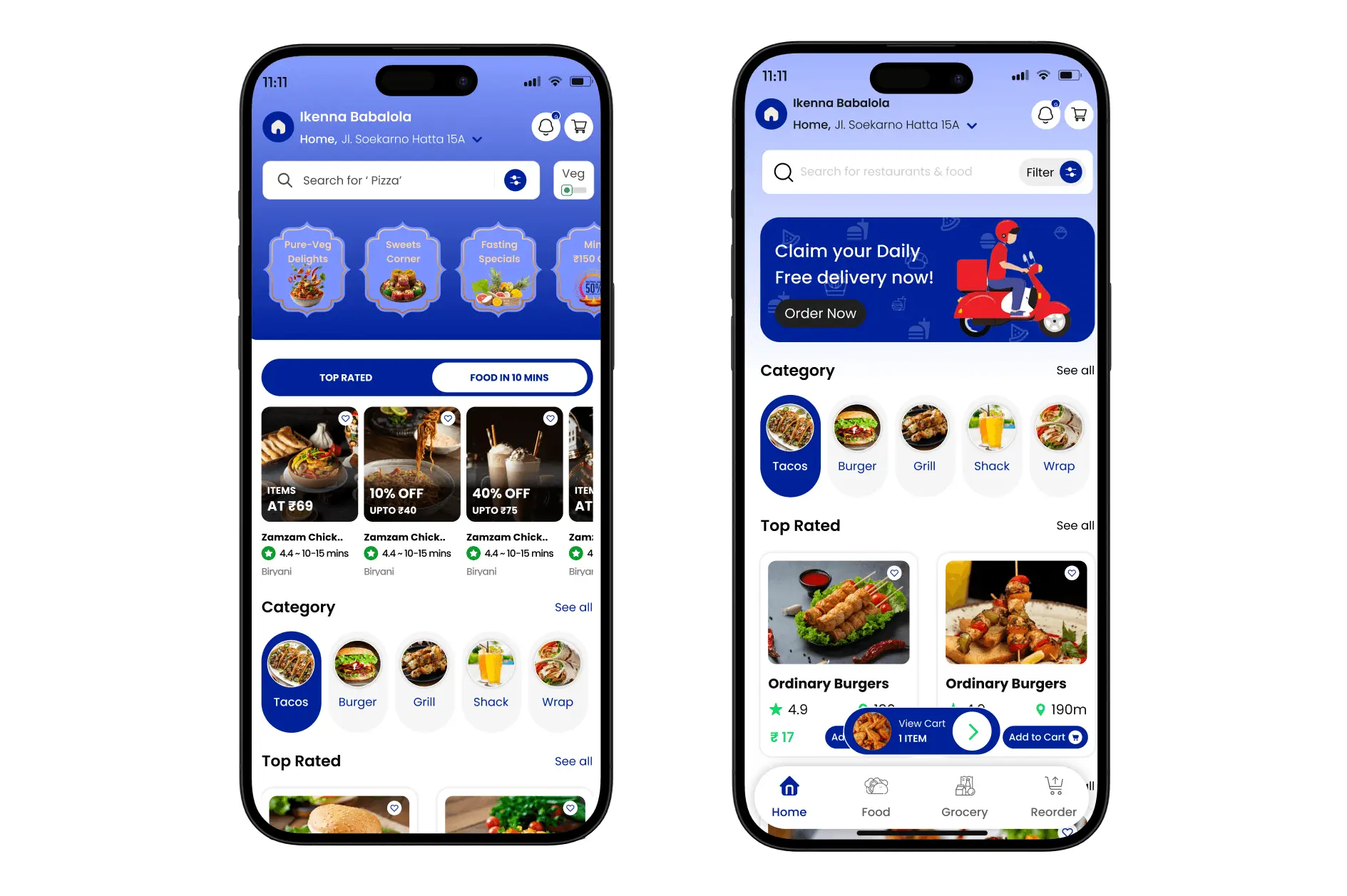
User Panel Features

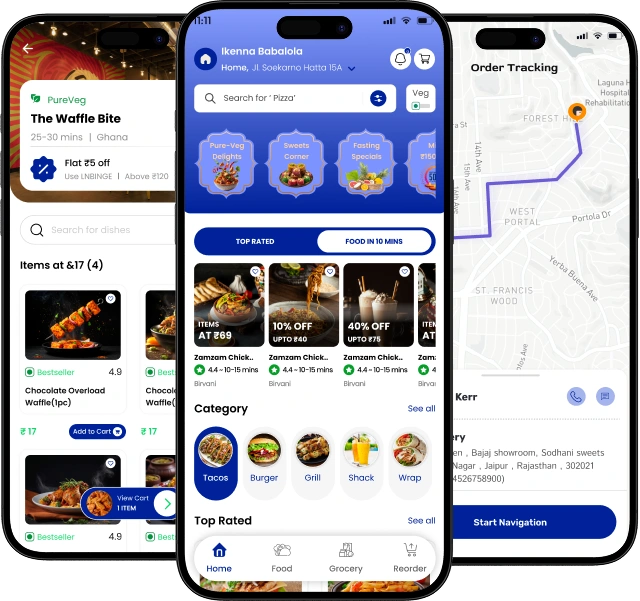
  • Easy Registration & Login – Social media and OTP-based sign-up
  • Smart Search & Filters – Find restaurants, cuisines, and dishes quickly
  • Real-Time Order Tracking – Live GPS tracking of food delivery
  • Multiple Payment Options – Credit/debit cards, wallets, UPI, and cash on delivery
  • AI-Powered Recommendations – Personalized food suggestions based on preferences
  • Loyalty Programs & Discounts – Reward points, promo codes, and referral bonuses
  • Push Notifications – Order updates, discounts, and personalized deals
  • Order History & Reordering – Easy access to previous orders for quick reordering
  • Customer Support & Chatbots – 24/7 assistance for queries and complaints

Restaurant Panel Features

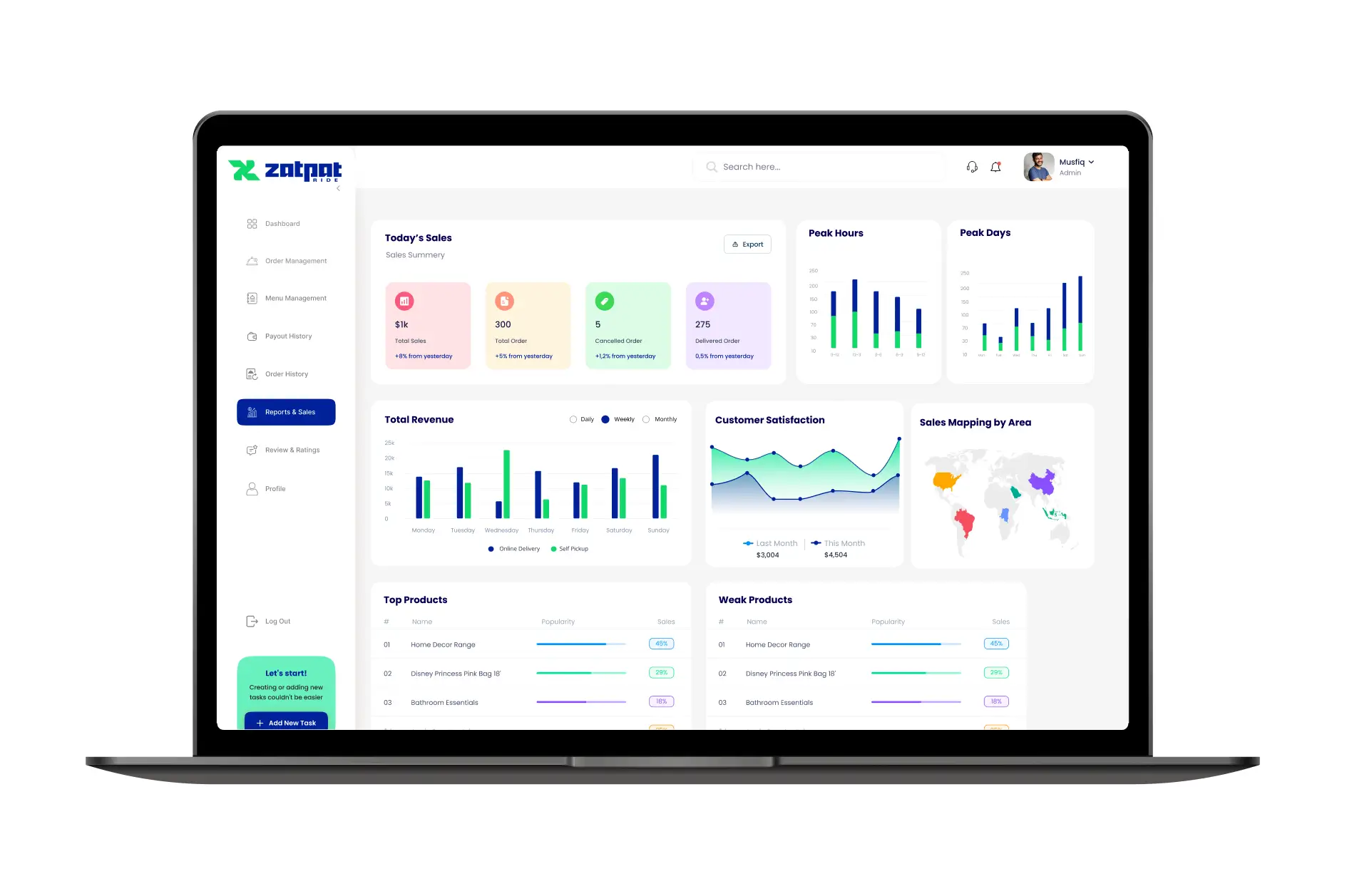
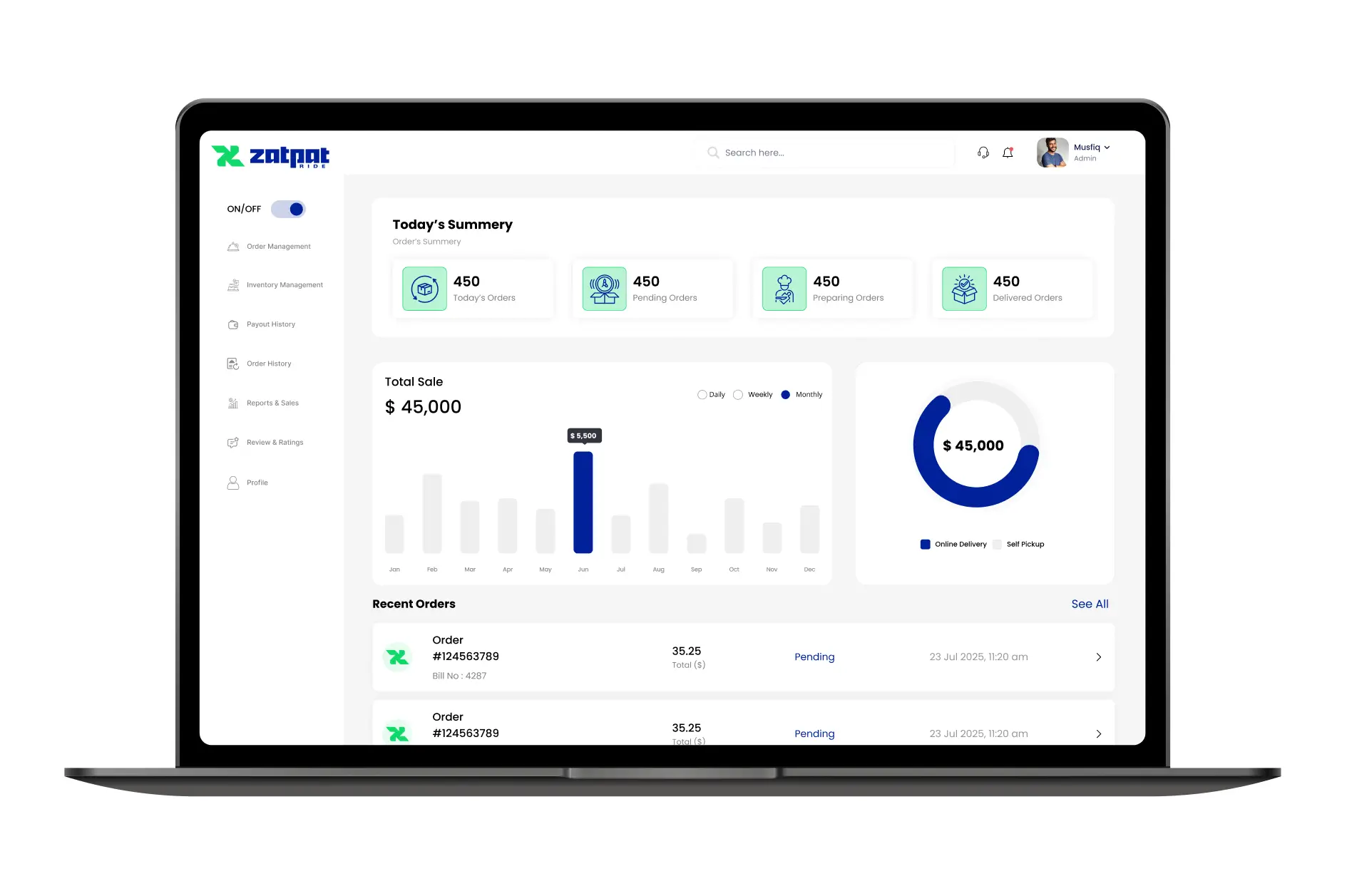
  • Restaurant Dashboard – Manage menus, pricing, and orders
  • Order Management System – Accept, track, and update order statuses in real-time
  • Inventory & Stock Management – Keep track of ingredient availability
  • Analytics & Sales Reports – Insights into customer behavior and sales trends
  • Promotional Tools – Offer discounts, featured listings, and targeted ads

Delivery Partner Panel Features

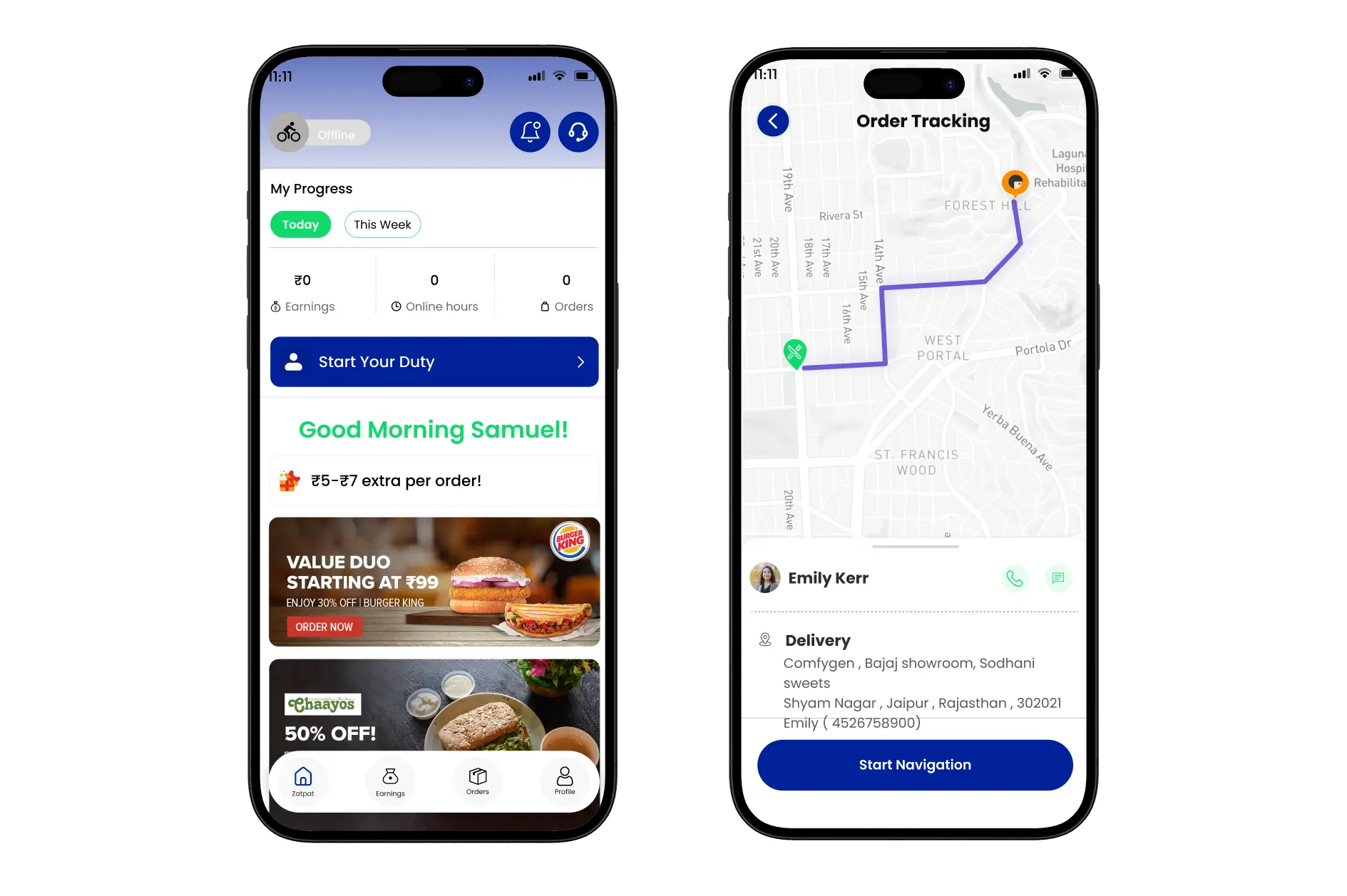
  • Real-Time Order Requests – Accept and manage deliveries efficiently
  • GPS Navigation & Route Optimization – Faster delivery with AI-powered routing
  • Earnings & Payment Management – Track daily income and withdrawal options
  • Availability Status – Toggle between online and offline mode

Admin Panel Features

  • User & Restaurant Management – Approve listings and manage users
  • Commission & Payment Management – Track earnings from restaurant partnerships
  • Analytics & Reporting – Monitor app performance and customer trends
  • Marketing & Promotions – Control push notifications, banners, and ads

Advanced Features for a Competitive Edge

  • Voice Search Integration – Enable food ordering via voice commands
  • Drone & AI-Based Delivery – Future-ready autonomous delivery system
  • Blockchain Payment Security – Secure transactions with decentralized technology
  • Smart Chatbots – AI-powered assistance for better customer interaction

Monetization of Food Delivery App Development

Investing in food delivery app development is a profitable area with many revenue channels available for businesses. These models are closely aligned with an effective monetization strategy, enabling food delivery mobile app development companies to help their clients attract maximum profit while providing customers with an uninterrupted experience.

Commission-based Earning

With charging commissions from partner restaurants for every order that the app processes, charging commissions remains the principal monetization model. Food delivery application development services ensure seamless integration of commission structures for the businesses to earn that percentage above restaurant sales.

Delivery & Service Fees

Delivering food for a small delivery fee would be another way for the company to generate revenue, usually based on distance, size of the order, or demand. Leading food delivery app development agencies implement dynamic pricing, and this feature brings good revenue during rush hours for the businesses.

Subscription & Membership Plans

The premium membership programs that include benefits like free deliveries, exclusive discounts, and priority customer service would work towards developing loyalty among customers. A sake-specialized food delivery app development company can integrate such customized subscription plans to drive regular streams of income for businesses.

Sponsored Listings & In-App Advertising

For restaurants paying for premium food delivery app solutions, these top search listings bring in the spotlight. Besides that, third-party in-app advertisements and sponsored promotions can earn the companies a stash of cash.

White-Label & SaaS Models

Entrepreneurs can invest in white-label food delivery application development with a view of offering their platform as a SaaS solution by charging businesses for certain functions.

Trending Technologies to Integrate in Food Delivery App Development

Integrating advanced technologies in food delivery app development enhances user experience, improves efficiency, and drives business growth. Leading food delivery application development companies implement cutting-edge solutions to help businesses stay ahead of the competition. Here are the top trending technologies transforming the industry:

AI-Powered Recommendations & Chatbots

Artificial Intelligence (AI) plays a crucial role in custom food delivery application development, offering personalized food recommendations based on user preferences. AI-powered chatbots improve customer service by handling inquiries, processing orders, and assisting with refunds.

Blockchain-based Food Delivery App Development

Blockchain technology ensures secure and transparent payment processing in on-demand food delivery mobile app development. It eliminates fraudulent transactions, speeds up payments, and enhances data privacy for customers and restaurants.

Cloud Kitchens & Virtual Restaurants

The rise of cloud kitchens, powered by food delivery mobile application development solutions, allows restaurants to operate without physical dine-in spaces. This model reduces overhead costs and maximizes profits, catering solely to online orders.

Drone & Autonomous Deliveries

Many food delivery mobile app development agencies are exploring drone and self-driving vehicle integration for ultra-fast deliveries. These AI-driven technologies minimize human dependency and improve operational efficiency.

IoT-Enabled Smart Tracking

The Internet of Things (IoT) is used in a food delivery app for real-time tracking of food orders, ensuring better delivery management. With GPS tracking, smart sensors, and route optimization, on-demand food delivery application development services help businesses provide accurate ETAs and reduce delays.

Voice Search & Virtual Assistants

Users can now order food through voice commands using smart assistants like Alexa and Google Assistant. Top food delivery app developers integrate voice search to enhance accessibility and user convenience.

Why Hire the Best Food Delivery App Development Company?

Building a high-performing, feature-rich food delivery app requires expertise, advanced technology, and a strategic approach. Partnering with a professional online food delivery app development company ensures a seamless, scalable, and efficient solution tailored to business needs. Here’s why hiring experts is the best decision for your food delivery business:

Expertise in Custom Food Delivery App Development

Top custom food ordering app development services bring years of experience in building scalable, intuitive, and user-friendly applications. They understand industry trends, customer expectations, and technological advancements to create a competitive food ordering app.

Advanced Features & Cutting-Edge Technologies

A professional on-demand food delivery mobile app development company integrates AI-driven recommendations, real-time GPS tracking, multi-payment options, and cloud-based architecture to enhance user experience and operational efficiency.

Faster Time to Market & Scalability

Hiring a trusted food ordering delivery app development agency in India accelerates the development process, ensuring faster deployment without compromising quality. They also build scalable solutions that adapt to growing business demands.

Customization & Brand Differentiation

A custom food delivery mobile app development company creates unique, branded applications that stand out in a competitive market. Unlike generic platforms, custom-built solutions offer tailored functionalities, improving customer engagement.

Ongoing Support & Maintenance

A professional food delivery application development firm provides post-launch support, ensuring smooth performance, timely updates, and security enhancements to prevent downtime and technical issues.

By hiring an experienced restaurant delivery app development company, businesses can build a robust, future-ready app that drives revenue, enhances customer satisfaction, and ensures long-term success in the growing food delivery industry.

What’s the Cost of a Food Delivery App Development?

The cost of developing a food delivery app varies based on features, complexity, and technology stack. On average, developing a food delivery app can range between $15,000 and $150,000. However, the final cost depends on whether you need a basic, mid-level, or advanced AI-driven solution.

Cost Breakdown by Complexity

  • Basic Food Delivery App ($15,000 – $30,000): A simple app with essential features like user registration, menu browsing, order placement, and payment integration.

  • Mid-Level Food Delivery App ($30,000 – $70,000): Includes additional features like real-time tracking, restaurant management, push notifications, and analytics dashboards.
  • Complex Food Delivery App ($70,000 – $150,000): Advanced apps with AI-driven recommendations, multiple payment gateways, loyalty programs, cloud-based scalability, and admin control panels.

Comfygen Should Be Your Choice for Food Delivery App Development

When it comes to building a high-performance food delivery app, partnering with a trusted food delivery application development company is crucial. Comfygen specializes in delivering top-notch food delivery mobile app development services, ensuring businesses get a scalable, feature-rich, and user-friendly solution tailored to their needs.

As a leading food delivery app development agency, we integrate cutting-edge technologies like AI-powered food delivery development, real-time GPS tracking, secure payment gateways, and automated delivery management to enhance user experience and operational efficiency. Our expert food delivery mobile app developers build custom food ordering app solutions that help businesses stand out in a competitive market.

Whether you need a custom food delivery mobile app development solution or a white-label food delivery app, Comfygen provides an end-to-end food delivery mobile app development solution, ensuring seamless functionality, branding, and monetization. Partner with Comfygen’s expert food delivery mobile app developers to create a future-ready food delivery app that drives revenue and business growth.


Final Thoughts

Investing in food delivery app development is a game-changing opportunity for businesses looking to scale, enhance customer experience, and increase revenue. With the rising demand for online food ordering, having a robust and feature-rich app is no longer optional—it’s essential for success.

By leveraging the latest technologies like AI-powered recommendations, real-time order tracking, and secure payment gateways, businesses can stay ahead in the competitive food delivery market. However, choosing the right food delivery app development company plays a crucial role in ensuring seamless performance, scalability, and user engagement.

At Comfygen, we offer industry-leading food delivery application development services, tailored to meet your business needs. As a trusted restaurant app development agency, we specialize in creating custom, AI-driven, and scalable apps that maximize profitability.

Whether you’re a startup or an established business, our expert food delivery mobile app developers are here to help.

Frequently Asked Questions

How much does it cost to develop a food delivery app in 2026?

The cost of developing a food delivery app in 2026 typically ranges between $15,000 and $200,000, depending on complexity, features, and platform. A basic MVP with essential features like user registration, menu browsing, and payment integration costs around $15,000–$30,000. A mid-level app with real-time tracking, multi-restaurant support, and analytics ranges from $30,000–$70,000. A full-featured, AI-driven food delivery app like Uber Eats or Zomato — with predictive recommendations, drone-ready architecture, and advanced admin panels — can cost $70,000–$200,000+. The final price depends on your tech stack, team location, design complexity, and third-party integrations.

How long does it take to build a food delivery app?

A basic food delivery app MVP takes approximately 3 to 4 months to develop, while a fully-featured, market-ready app with AI integrations, real-time tracking, and multi-panel architecture typically takes 6 to 9 months. Enterprise-grade or white-label solutions with multi-region support can take 9–12 months. Timelines depend on team size, feature scope, design iterations, and QA testing phases. Working with an experienced food delivery app development company can significantly reduce time-to-market.

What are the must-have features in a food delivery app?

A successful food delivery app needs features across four user panels. The customer panel should include easy registration, smart search filters, real-time order tracking, multiple payment options, AI-powered recommendations, and loyalty programs. The restaurant panel needs a menu dashboard, order management, inventory tracking, and analytics. The delivery partner panel requires GPS navigation, route optimization, earnings tracking, and availability toggles. The admin panel must handle user management, commission tracking, marketing tools, and reporting. Advanced features like voice ordering, blockchain payments, and drone delivery integration can give your app a competitive edge.

How do food delivery apps make money?

Food delivery apps generate revenue through five main monetization models: (1) Commission fees from partner restaurants, typically 15–30% per order — the largest revenue stream for platforms like Uber Eats and DoorDash. (2) Delivery and service fees charged to customers, often dynamic during peak hours. (3) Subscription plans like DoorDash DashPass or Zomato Gold offering free delivery and discounts. (4) In-app advertising and sponsored listings where restaurants pay for premium visibility. (5) White-label and SaaS licensing, where you license your platform to other businesses. Most successful apps combine 3–4 of these models for maximum profitability.

Request a Callback

We respond promptly — typically within 30 minutes


Saddam Husen

Mr. Saddam Husen, (CTO)

Mr. Saddam Husen, CTO at Comfygen, is a renowned Blockchain expert and IT consultant with extensive experience in blockchain development, crypto wallets, DeFi, ICOs, and smart contracts. Passionate about digital transformation, he helps businesses harness blockchain technology’s potential, driving innovation and enhancing IT infrastructure for global success.

Based on Interest